- Ford's future hybrids may use batteries from Chinese behemoth BYD.
- The automaker is reportedly planning to import BYD batteries for its models made overseas.
- In the U.S., Ford's EV plans took a step back last year after the end of the tax credits.
Ford wants to strengthen its hybrid lineup in the U.S. and overseas amid cooling electric vehicle sales. To take that strategy even further, the automaker will now reportedly take help from the world’s largest automaker.
The Dearborn automaker is in talks with BYD to potentially purchase lithium-ion battery packs for its upcoming hybrids, the Wall Street Journal reported Thursday, citing sources familiar with the matter. Ford didn't confirm or deny the report. “We talk to lots of companies about many things,” a Ford spokesman told WSJ.
What’s not so obvious about BYD is that it's not just a huge car manufacturer; it’s also one of the world’s largest battery makers. BYD already supplies its low-cost lithium-iron phosphate batteries (LFP) to Tesla, Stellantis, Mercedes-Benz and Toyota, mainly for some of their EVs sold in Europe and China.
Its battery deployments worldwide grew by 31.3% between January and November last year to 133.4 gigawatt-hours, falling only behind CATL, according to Korea’s SNE Research.

What exactly the Ford deal would look like is unclear, but one potential outcome could be Ford importing BYD batteries for its EVs made overseas, according to the report. China-made EVs and batteries are essentially walled off from entering the U.S. due to high tariffs.
The automaker is planning to build a plug-in hybrid version of the Bronco in Spain in 2027, but it’s unclear if that model would feature BYD batteries. In the U.S., Ford ended production of the all-electric F-150 Lightning last year and shelved plans for its electric successor. It booked $19 billion in charges as it unwound its EV plans.
Instead, the automaker’s next-generation F-150 Lightning will be an extended-range vehicle (EREV). And the automaker’s Maverick and F-150 Hybrids had a successful run in 2025 with record sales. If the BYD deal goes through—there's a chance that it won’t—it would be Ford’s second big partnership with a Chinese titan.
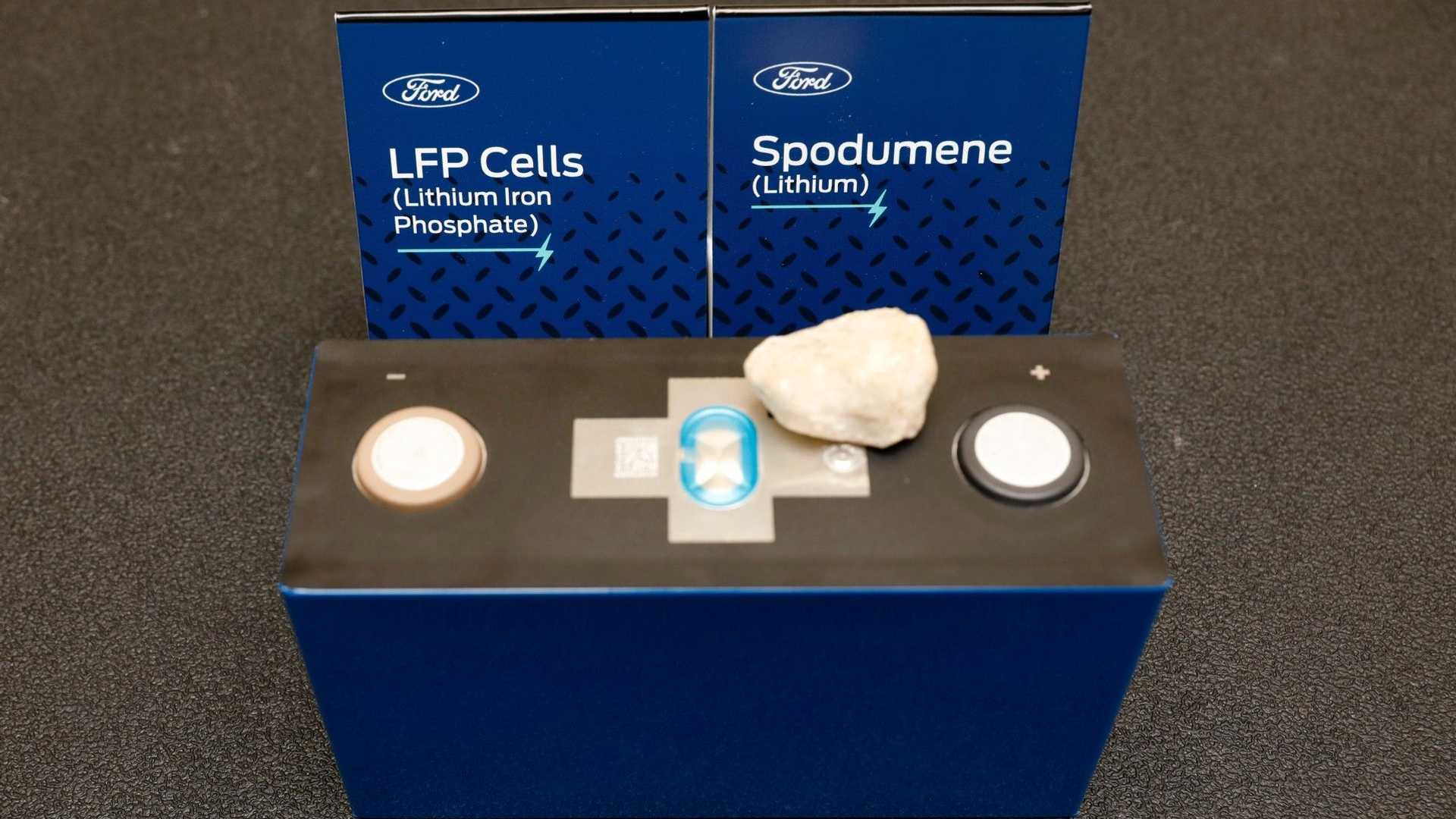
The company is already planning to roll out low-cost LFP batteries in the U.S. from its BlueOval Battery Park in Michigan, licensing the technology from CATL. Those batteries will be used in its upcoming $30,000 electric truck.
Ford has previously used BYD batteries on some of its models sold in China with joint venture partner Changan, so the new deal isn’t unfamiliar territory for the brand. What remains to be seen is if Ford plans to use these packs for traditional hybrids, PHEVs, or EREVs.
Have a tip? Contact the author: suvrat.kothari@insidevs.com