Mozambique is grappling with devastating floods, which have led to a terrifying new threat: crocodiles appearing in submerged towns, responsible for at least three fatalities.
Authorities in Xai-Xai, the capital of Gaza province and one of the hardest-hit southern regions, have issued urgent warnings to residents about increased crocodile dangers as floodwaters continue to rise and evacuations proceed.
Across southern Africa, torrential rains and severe flooding over the past month have claimed more than 100 lives in Mozambique, South Africa, and Zimbabwe.
The deluge has also destroyed thousands of homes and severely damaged vital infrastructure, including roads, bridges, schools, and health facilities.
Of the 13 flood-related deaths reported in Mozambique, officials confirm that three were caused by crocodile attacks.
“The river levels are rising and are reaching urban areas or heavily populated areas,” Paola Emerson, head of the U.N. Office for the Coordination of Humanitarian Affairs in Mozambique, said this week after visiting the town.
“So the crocodiles that are in the Limpopo river in this case are able to get into populated areas that are now submerged under water and that is the concern.”
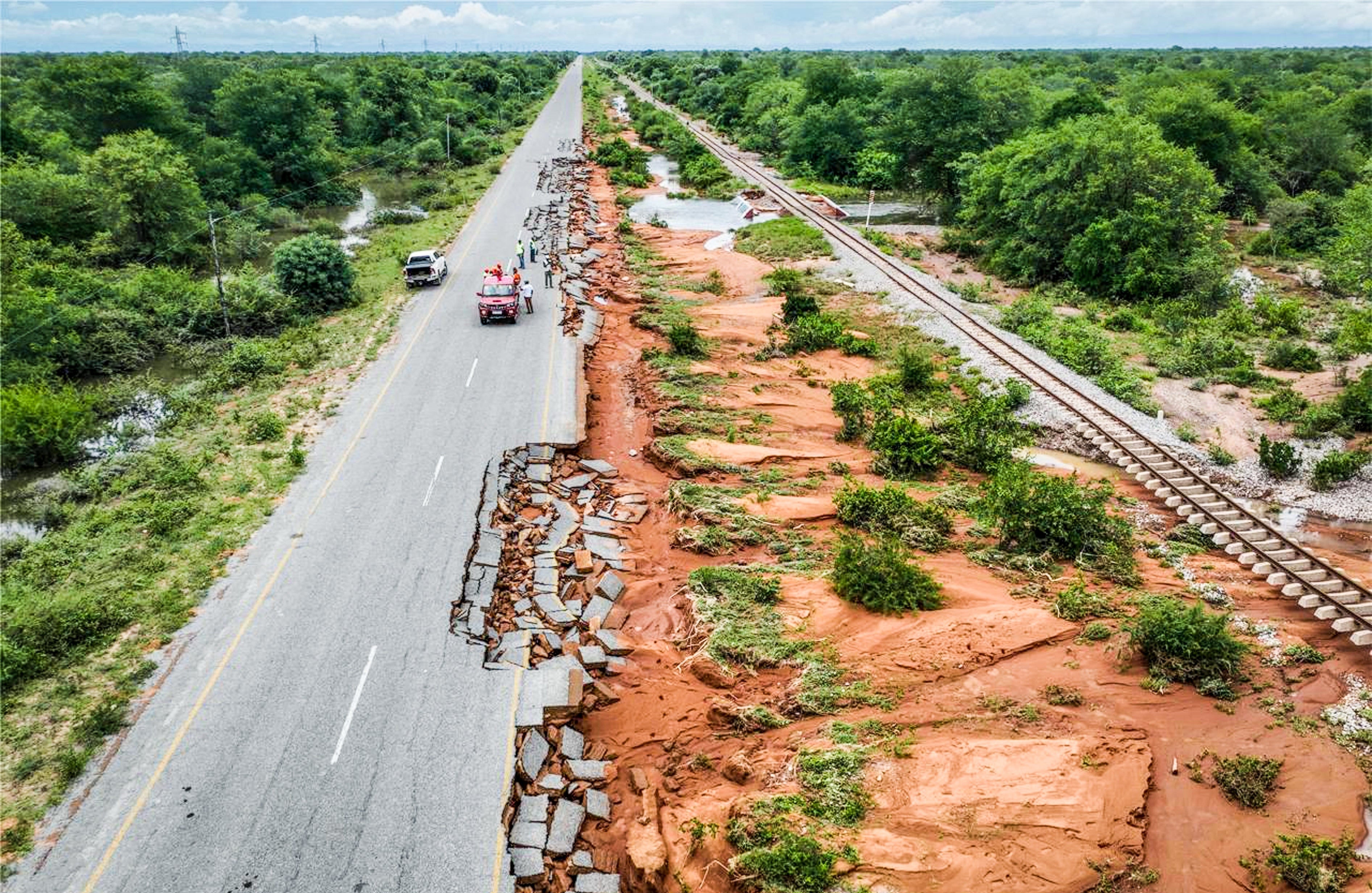
The Limpopo river flows from South Africa through Mozambique on its way into the Indian Ocean.
Two people were killed in an attack that left three others injured in the Gaza region earlier this month. A man was “swallowed” by a crocodile in Moamba, a small town in Maputo province, local media quoted Henriques Bongece, the province’s secretary, as saying this week. Maputo is the impoverished country’s capital.
Authorities said in Maputo that the crocodiles appeared to have been driven into the area by floodwaters from a park in neighboring South Africa.
“We want to urge everyone not to approach still waters because crocodiles are drifting in these waters. The rivers have connected with all areas where there is water,” local media quoted Bongece as saying this week.
Beyond the immediate danger posed by wildlife, the floods have triggered a deepening humanitarian crisis.
Weeks of heavy rainfall, compounded by dam releases to prevent structural failure, have affected more than 700,000 people, more than half of them children, leaving a trail of destruction across vast farmland, according to humanitarians bodies such as the World Food Program and UNICEF.
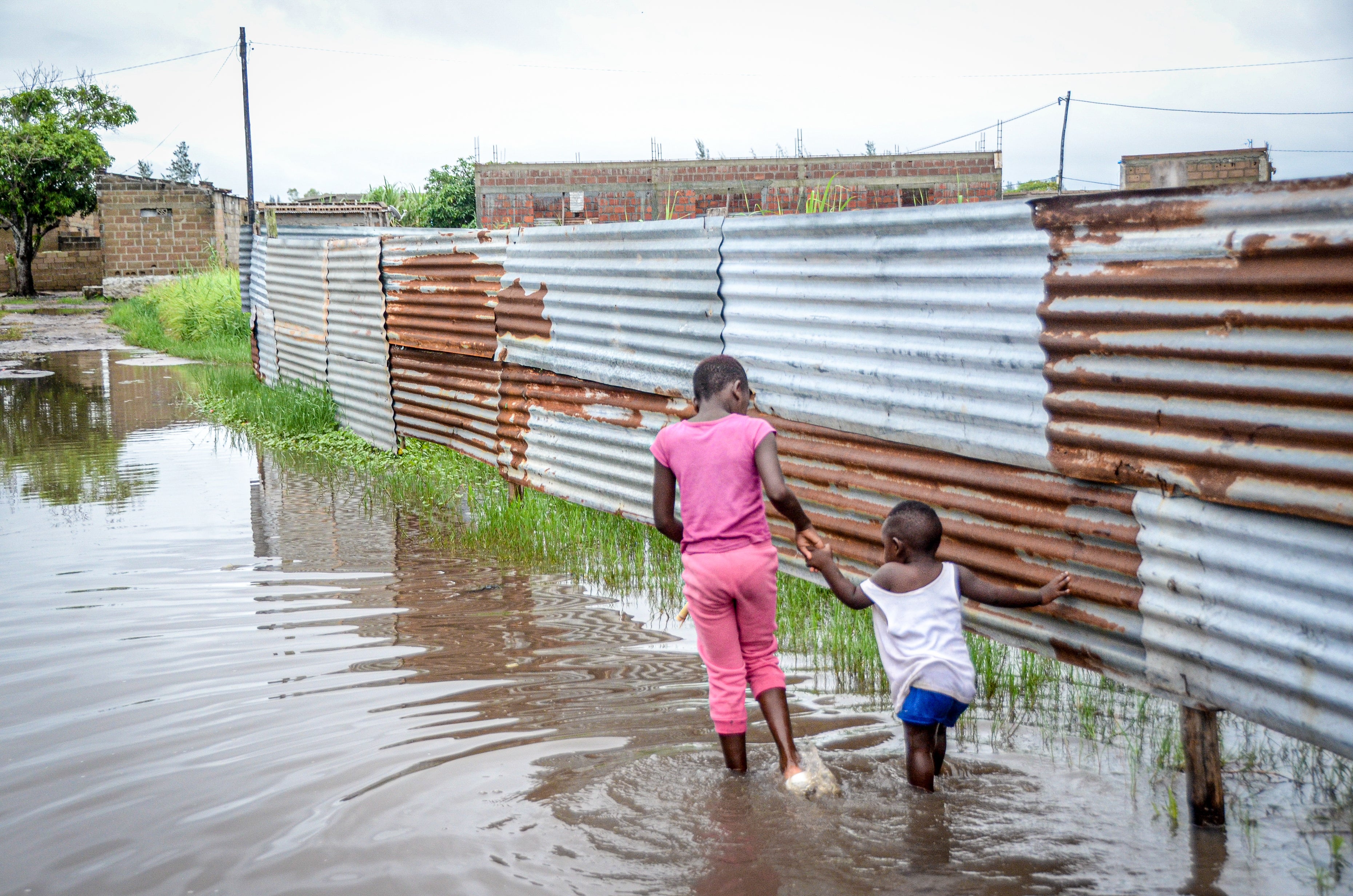
On Friday, the World Health Organisation warned of severe disruptions to health services in Gaza and Maputo provinces following the destruction of at least 44 health facilities, leaving tens of thousands without access to care.
The U.N. agency said that damage to critical infrastructure has interrupted service delivery, while more than 50,000 people who have been forced to relocate to temporary shelters face limited or nonexistent basic health services.
It warned that displaced people on long-term medication face life-threatening interruptions, and said that urgent action is needed to restore essential services, deploy mobile health teams and ensure continuity of care for people with chronic conditions.
Across the three countries, humanitarian agencies say hunger and disease risks are rising, with extreme weather wiping out crops that millions of small-scale farmers rely on to feed themselves, while the threat of water-borne diseases such as cholera looms large.
Across the forgotten walls of a Hong Kong island, a flock of bird murals rises
What to know about the devastating floods in southern Africa
Death toll in South Africa school bus crash rises to 14 as the driver is charged with murder
UN: 55 million people to endure hunger crisis this year in central and west Africa
South Africa’s Kruger National Park to take years to recover from devastating floods
The country struggling to sell its diamonds as stockpiles grow