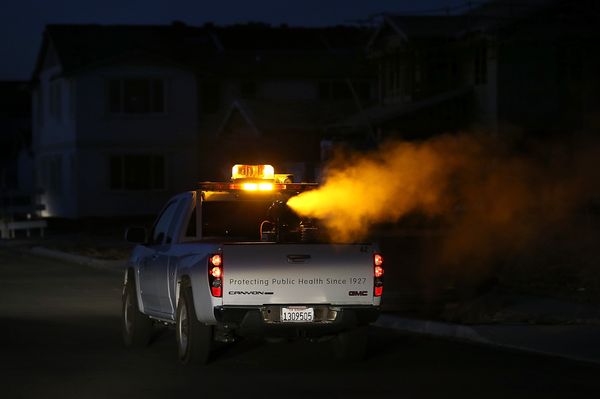
Five people in the Pico-Union neighborhood of Los Angeles have been sickened with flea-borne typhus this year, and every one of them was hospitalized. All five have recovered.
The Los Angeles County Department of Public Health announced the localized outbreak on Wednesday, reported through City News Service, and said the cluster comes as cases continue to rise across the county. The hospitalization pattern is the part worth pausing on. This is not a cluster where a handful of people felt unwell for a few days.
Countywide, the department documented a record 220 cases in 2025, up from 187 in 2024. Nearly nine out of ten people diagnosed that year required hospitalization. Patients ranged in age from 1 to 85. Cases have been climbing since 2010, and county data show clusters concentrated in Central and South Los Angeles.
How People Actually Catch It
The transmission route surprises most people, and understanding it changes what prevention looks like.
Flea-borne typhus is caused by the bacterium Rickettsia typhi. It is not spread person to person. According to the CDC, infected fleas defecate while feeding, and the bacteria live in that waste. Infection happens when that material is rubbed into a bite wound, a scratch or an abrasion, or into the eyes, or is inhaled. The bite itself is not the delivery mechanism.
That has a practical consequence. CDC notes that fewer than 5 percent of patients recall a flea bite or flea exposure in the one to two weeks before becoming ill. If you are trying to decide whether typhus is plausible, "I do not remember being bitten" is not useful evidence either way.
Los Angeles County officials said people are most often exposed in and around their own homes, when infected fleas are carried indoors on pets or other animals. Locally, the fleas that carry the bacteria are commonly found on rats, free-roaming cats and opossums. Infected animals frequently show no signs of illness, which is why officials emphasize flea control rather than looking for sick-looking wildlife.
Los Angeles County Health Officer Dr. Muntu Davis said in a statement that with cases continuing to increase, "preventing exposure to infected fleas is more important than ever."
Symptoms, and Why Timing Matters
Symptoms typically appear one to two weeks after infection. They commonly include fever, headache, rash, body aches, chills, nausea and vomiting. The rash usually shows up toward the end of the first week of illness, often starting on the trunk and spreading outward.
That presentation is the problem. Fever, headache and body aches describe a great many summer illnesses, and typhus is not the first thing most people or most clinicians think of. County data show the consequence: most diagnosed patients end up hospitalized, which suggests many are identified only after becoming quite ill.
The disease responds to antibiotics, particularly doxycycline, and is most treatable when caught early. A 2023 CDC report examining three typhus-associated deaths in Los Angeles County during 2022 found severe complications including hemophagocytic lymphohistiocytosis, myocarditis and septic shock, and concluded that prompt initiation of doxycycline is critical. Among patients who receive doxycycline, the case fatality rate is under 1 percent.
Anyone in an affected area who develops fever with headache or an unexplained rash should seek care promptly and specifically mention possible flea or animal exposure. That detail is what prompts a clinician to consider testing. Do not wait to see whether symptoms resolve, and do not attempt to self-treat with leftover antibiotics.
Who Faces the Most Risk and What Households Can Do
Risk is not evenly distributed across Los Angeles. It concentrates in areas with dense housing, accessible trash, and established rat and opossum populations, and it falls hardest on households with the least control over those conditions. Renters cannot rewire a building's waste management. People experiencing homelessness have essentially no ability to reduce environmental exposure. Older adults and people with underlying medical conditions face the highest risk of severe disease, as the county's 2022 deaths illustrated.
The county's recommendations are concrete and mostly inexpensive. Keep pets on veterinarian-recommended flea control products year-round, not seasonally, since Southern California fleas do not take a winter off. Keep pets indoors where possible. Avoid contact with stray or free-roaming animals, and do not feed them, since feeding stations attract the animals that carry infected fleas.
Around the property, keep yards clear of debris and dense ground cover that provides harborage, secure trash containers with tight lids, and seal openings that let wildlife nest in or under structures such as crawl spaces, sheds and attics. Residents can report stray animals, rodents or opossums near their property to local animal control.
If you have pets, check them and their bedding regularly. The presence of flea dirt in an animal's fur is often the first visible sign of an infestation and is worth acting on before anyone in the household gets sick.
Public Health has not indicated that the Pico-Union cluster is linked to a single address or property, and the investigation remains active. What officials have said is that the countywide trend, not this cluster alone, is the reason for the warning. County case counts for 2026 have not yet been finalized, and additional cases connected to this cluster may still be identified. MedicalDaily will monitor Los Angeles County Public Health updates and report changes to the local case count or the geographic footprint.
Frequently Asked Questions
What happened in Pico-Union? The Los Angeles County Department of Public Health identified five symptomatic flea-borne typhus cases associated with a localized outbreak this year. All five patients were hospitalized, and all have since recovered.
Is flea-borne typhus contagious between people? No. It is not transmitted person to person. Infection comes from contact with infected flea feces entering the body through broken skin, the eyes, or inhalation.
Do I need to remember a flea bite to have been exposed? No. CDC reports that fewer than 5 percent of patients recall a flea bite or flea exposure in the one to two weeks before illness. Absence of a remembered bite does not rule it out.
What are the symptoms? Fever, headache, rash, body aches, chills, nausea and vomiting, typically appearing one to two weeks after infection. The rash often begins on the trunk toward the end of the first week.
Is it treatable? Yes. It responds to antibiotics, particularly doxycycline, and outcomes are best when treatment starts early. Among patients who receive doxycycline, the case fatality rate is under 1 percent.
Which animals carry the fleas? In Los Angeles County, infected fleas are commonly found on rats, free-roaming cats, and opossums. These animals often show no signs of illness themselves.
What should households do? Keep pets on year-round flea control, keep pets indoors where possible, avoid and do not feed stray animals, clear yard debris, secure trash containers, seal wildlife entry points, and report strays or rodents to animal control.