
Britain’s manufacturing sector has seen the biggest monthly jump in input prices for more than 30 years as the Iran war wreaks havoc on supply chains, according to a survey.
The S&P Global UK manufacturing purchasing managers’ index (PMI) survey, watched closely by economists, showed that the input price inflation index jumped by 15 points between February and March – the biggest rise since the UK withdrew from the European Exchange Mechanism (ERM) on so-called Black Wednesday in 1992.
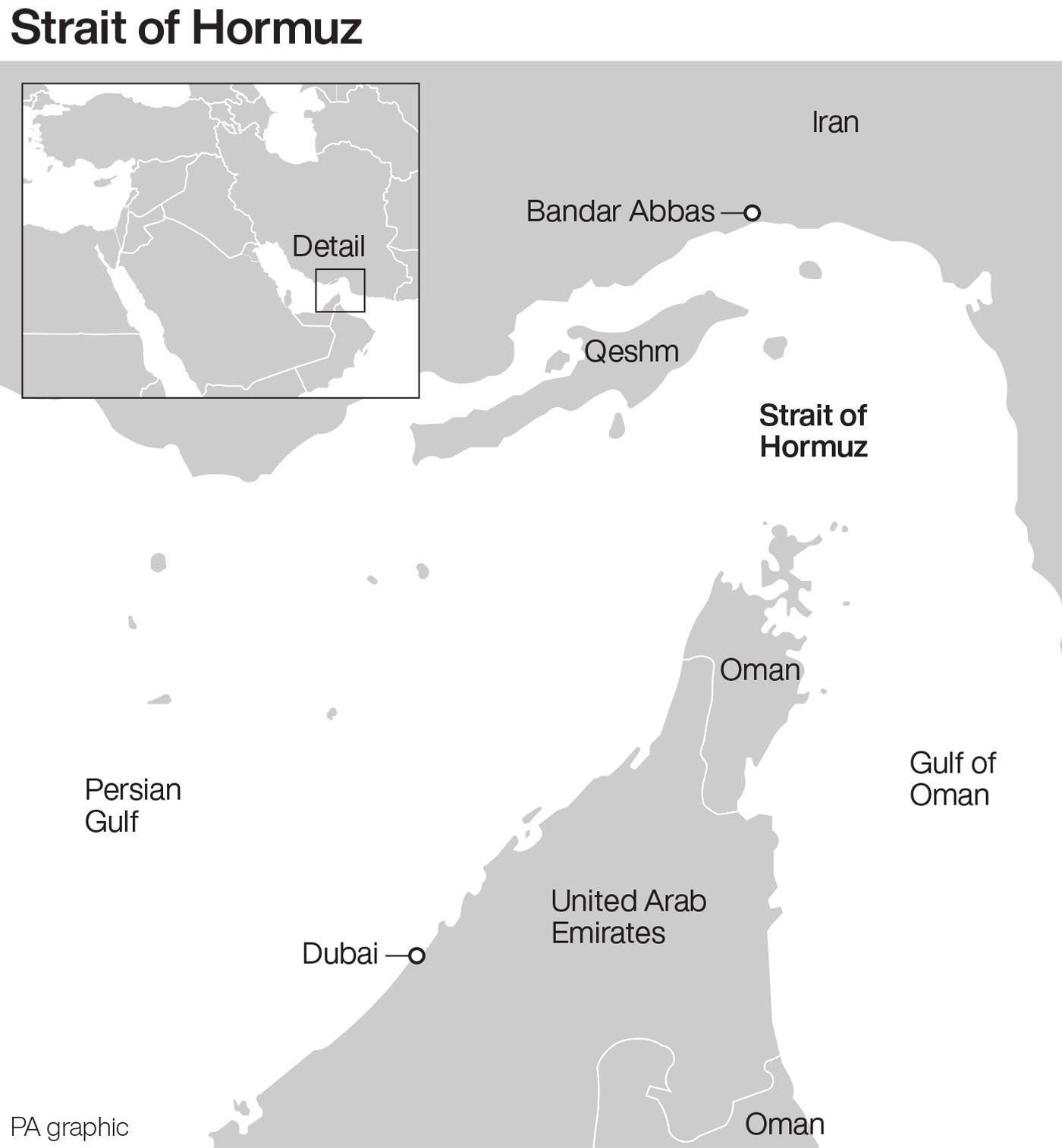
The report also showed that delivery delays worsened due to the Middle East conflict as ships have been forced to re-route around the blocked Strait of Hormuz, which is a key shipping route.
Manufacturing production also contracted for the first time in six months in March, according to the survey.
Overall activity slipped back, with the PMI recording a reading of 51 in March, down from 51.7 in February and lower than the 51.4 flash estimate earlier this month.
Any reading above 50 indicates that activity is growing while any score below means it is contracting.
Rob Dobson, director at S&P Global Market Intelligence, said: “UK manufacturing output contracted for the first time in six months in March, as the war in the Middle East and ongoing concerns about domestic economic policy led to a scaling back of production.
“The impact of the war also caused noticeable shifts in the cost and supply chain backdrops.
“Delivery times lengthened to the greatest extent since mid-2022, while the acceleration in input price inflation was the steepest since the aftermath of the UK’s withdrawal from the ERM in 1992.”
The survey found that almost half of companies (49%) reported an increase in purchase prices, while only 2% saw a decrease last month.
It said the Iran conflict had a “marked” impact on supply chains, with average vendor delivery times growing by the most in more than four-and-a-half years.
The survey also showed an impact on jobs in the sector, with the latest round of cuts the steepest since last September.
But there was a chink of light with new orders remaining resilient as they rose for the fourth successive month in March, albeit at a slower pace than in February.
Mr Dobson said: “This suggests that the drop in production is currently more of a supply issue than one caused by an outright downturn in demand, though it’s hard to see how demand can prove resilient in the face of current high energy prices and economic uncertainty unless there’s a swift resolution to the war in the Middle East.”
Expert Mike Thornton, head of industrials at RSM UK, said: “The control of the Strait of Hormuz is one of the biggest commercial issues for manufacturers and issues will pile up the longer access is blocked.
“The increase in energy costs will be a persistent headwind, but worries relating to supply chain disruption are growing.”
JP Morgan-Chase CEO Jamie Dimon unexpectedly in favor of Iran war
Trump says he is ‘strongly considering’ pulling out of Nato
Bank of England warns 1.3m households face higher mortgages due to Iran war
US journalist kidnapped in Iraq had been warned of threats in days prior
Monzo to shut down US operations in ‘strategic’ move
Food prices to rise by almost 10% due to Iran war, warns key industry body