European countries targeted by Donald Trump’s tariffs have warned of a “dangerous downward spiral” after the US president ramped up efforts to annex Greenland.
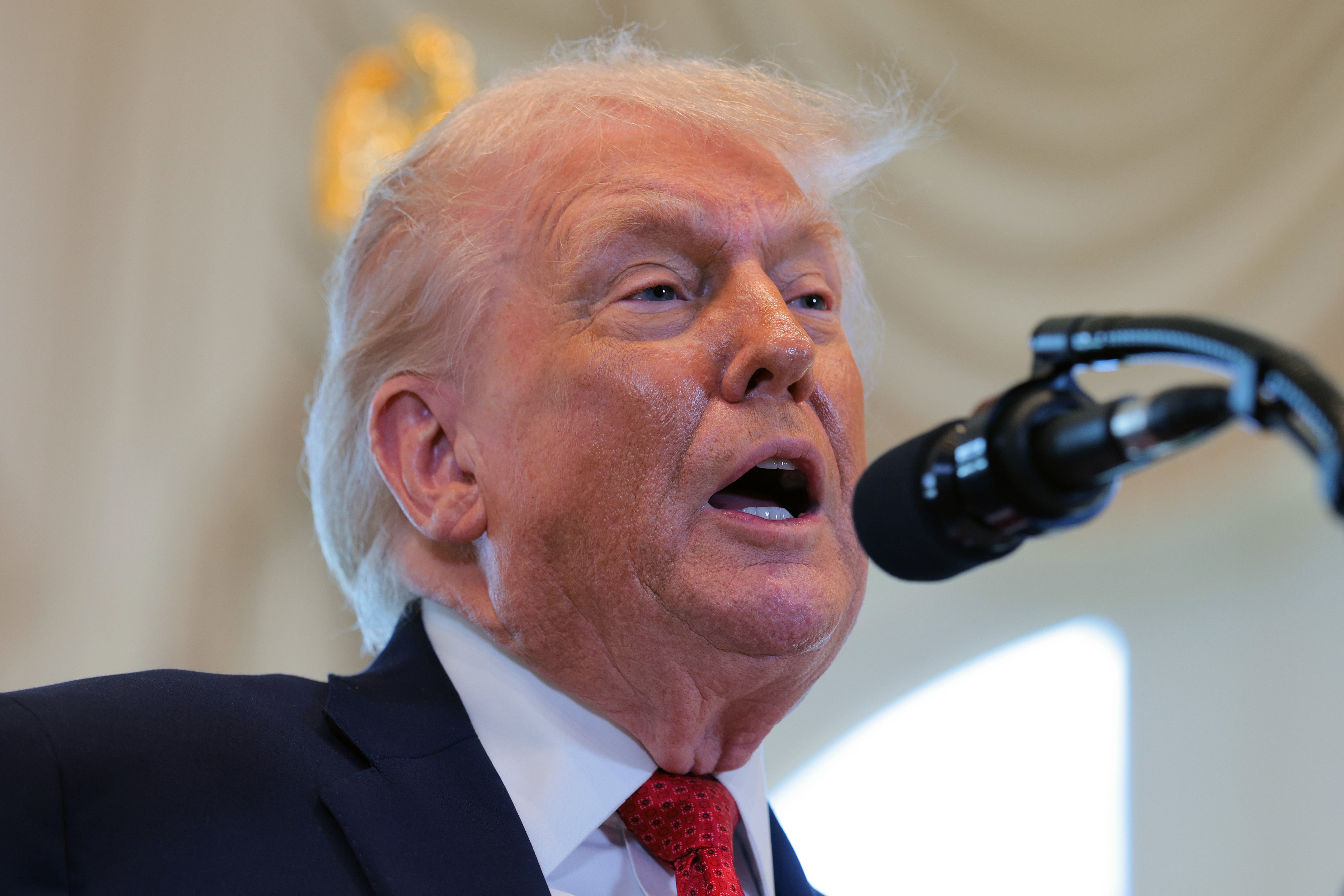
Mr Trump threatened several European countries and the UK with 10 per cent tariffs on all goods exported to the US until a deal is reached for the US to purchase Greenland.
Denmark, Finland, France, Germany, the Netherlands, Norway, Sweden and Britain issued a joint statement on Sunday, in which they declared: “Tariff threats undermine transatlantic relations and risk a dangerous downward spiral."
The European Union is now preparing to land the US with hefty retaliatory tariffs worth €93bn ($107.71bn), according to the Financial Times. The bloc is also considering restricting US companies from its market.
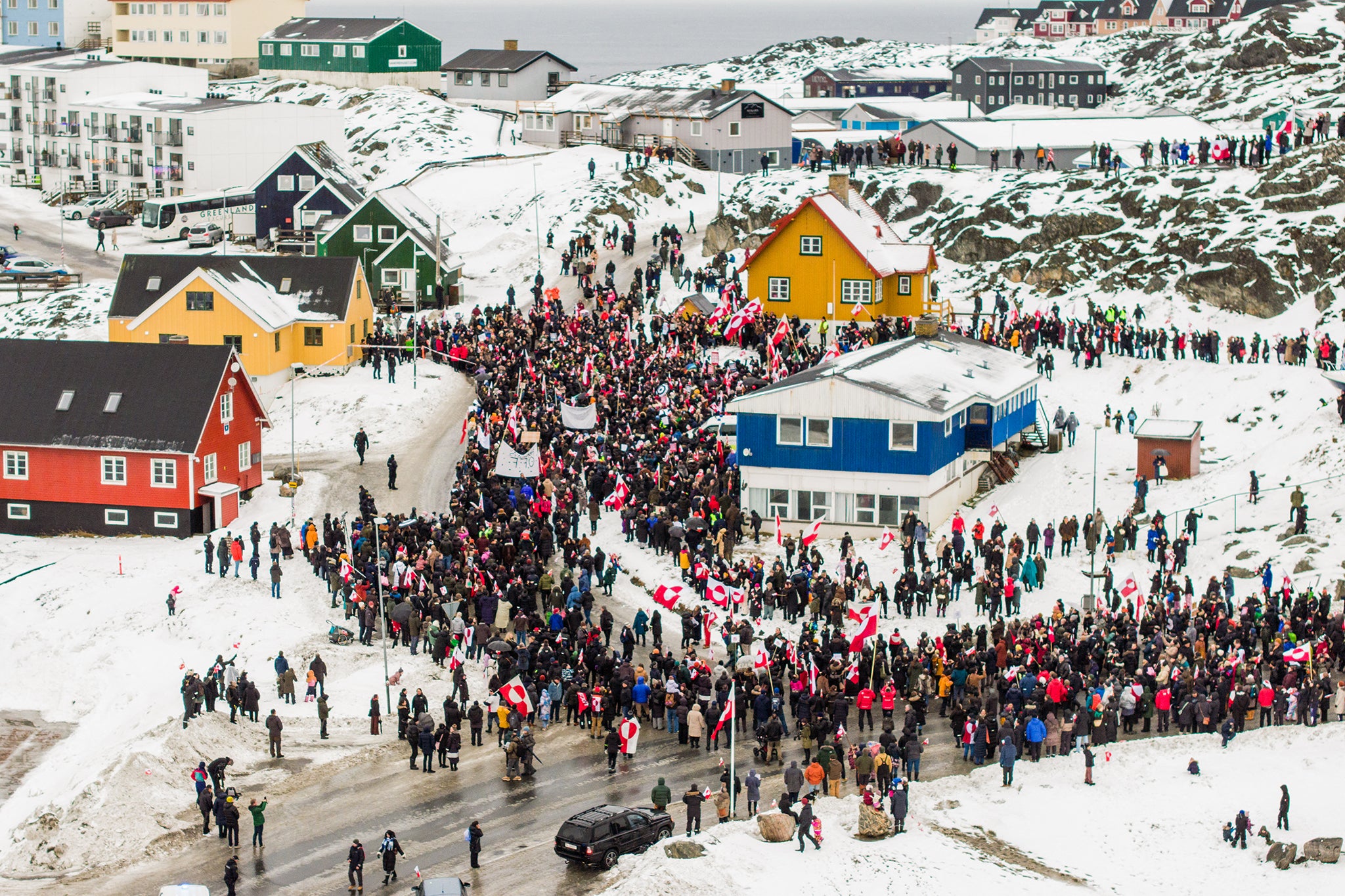
In the joint statement, the eight countries made clear their “full solidarity with the Kingdom of Denmark and the people of Greenland”.
Announcing the measures on Truth Social on Saturday, Mr Trump said the tariffs would increase to 25 per cent on June 1, and warned “world peace” is at stake if the US is not permitted to control the semi-autonomous Danish territory.
Brussels hopes the retaliatory measures, which were discussed during a meeting of EU ambassadors on Sunday, will provide European leaders leverage in pivotal meetings with Trump at the World Economic Forum in Davos this week.
The decision came following a meeting of the EU ambassadors of 27 countries in Brussels on Sunday afternoon, in which they agreed to continue efforts to dissuade Trump from imposing the tariffs - but also to prepare retaliatory measures if the measures were implemented.
The 93 billion euro tariff package of US imports was suspended for six months in early August, as Europe looked to avoid an all-out trade war amid trade talks between Washington and Brussels.
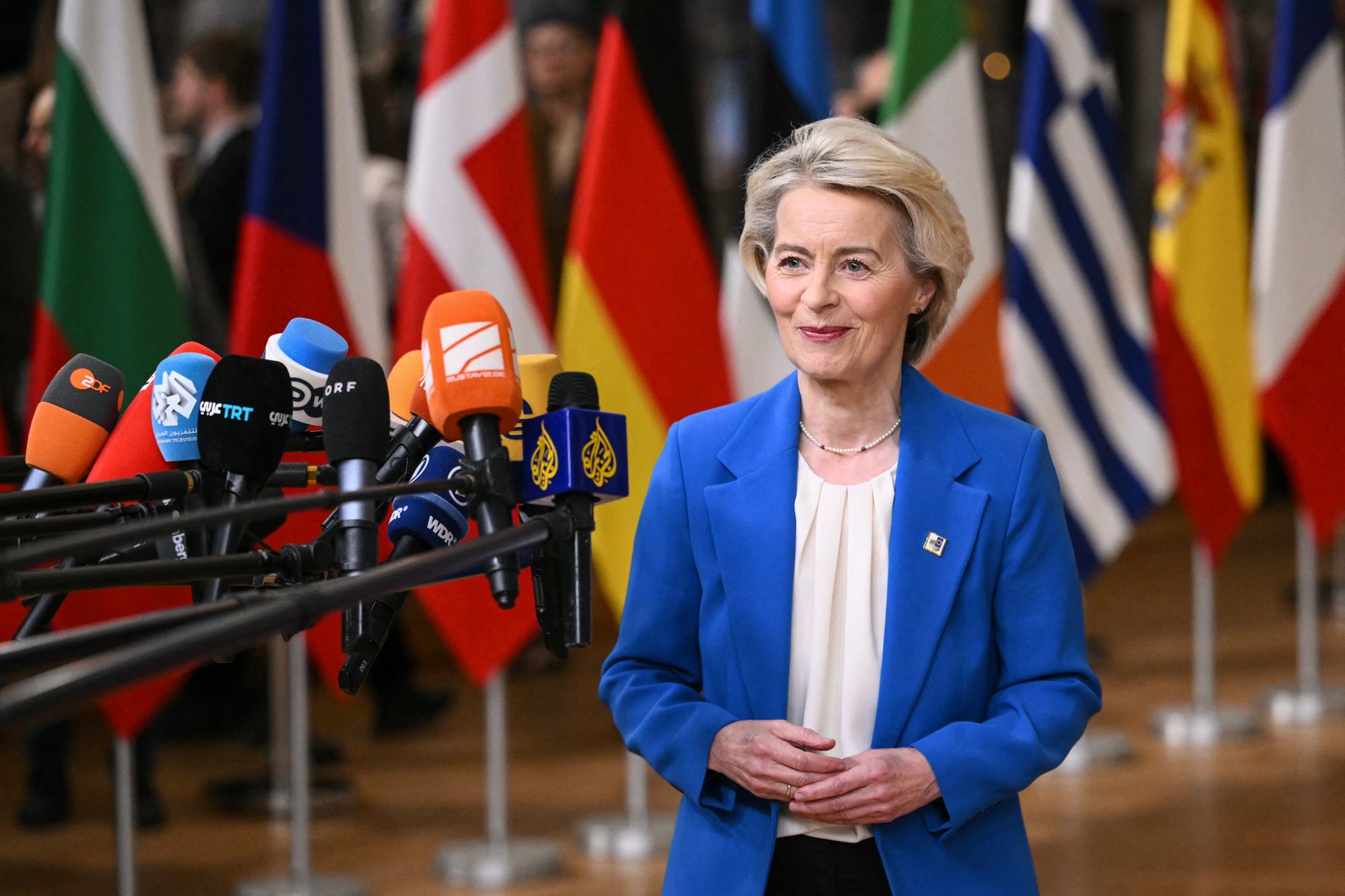
"We will always protect our strategic economic and security interests," EU Commission president Ursula von der Leyen said in a post on X. "We will face these challenges to our European solidarity with steadiness and resolve."
British prime minister Sir Keir Starmer held a phone call with Trump on Sunday, in which he told the US president that “applying tariffs on allies for pursuing the collective security of NATO allies is wrong”, Downing Street said.
The prime minister on Saturday branded Trump’s decision as “completely wrong” and said he would pursue discussions “directly” with the US administration.
Nato secretary general Mark Rutte, who has a warm relationship with the US president, said he had spoken with Mr Trump about the security situation in Greenland and the Arctic.
"We will continue working on this, and I look forward to seeing him in Davos later this week," Mr Rutte wrote on the social media platform X.
Denmark’s foreign minister, Lars Løkke Rasmussen, said the country is working to get Trump to abandon the idea that he needs to own Greenland, adding that Denmark is pursuing a diplomatic end to the dispute.
An agreement had been made with the vice president, JD Vance, about a diplomatic track to resolve the dispute, he added.
On the Sunday media round, culture secretary Lisa Nandy said the UK needs to have an "adult debate" with the US. She told the BBC's Sunday With Laura Kuenssberg: "Often, with this particular US administration, the president will express a very strong view. He will then encourage a dialogue.
"He welcomes difference of opinion, and we will never shy away from standing up for what we believe is right, or asserting British interests. And what often happens is a negotiation."
But she rejected the possibility that Mr Trump would "chicken out" and back away from the threat, adding: “I think this is actually a really serious issue, and I think it deserves a far more adult debate than us threatening the United States and the United States threatening us."
The French president Emmanuel Macron yesterday said he would not bow to "intimidation", and Sweden's prime minister Ulf Kristersson said "we will not let ourselves be blackmailed".
Taoiseach Micheal Martin also warned that any trade war would be "very damaging to everybody in the world".
Italy's right-wing premier, Giorgia Meloni – considered one of Mr Trump's closest European allies – said she had spoken to him about the tariffs, which she described as "a mistake".
The deployment to Greenland of small numbers of troops by some European countries was misunderstood by Washington, Ms Meloni said. She added that it was not a move against the US but was rather intended to provide security against "other actors" that she didn't identify.
EU foreign policy chief Kaja Kallas said China and Russia would benefit from the divisions between the US and Europe.
Ms Kallas said in a post on social media: "If Greenland's security is at risk, we can address this inside Nato.
“Tariffs risk making Europe and the United States poorer and undermine our shared prosperity."
Industry chiefs have also reacted with anger to the announcement, including in Germany, where they warned Europe not to cave in to Mr Trump’s demands.
The country is particularly vulnerable to tariffs due to its export-focused economy, which is currently emerging from two years of decline, as global trade tensions weigh on demand for its goods such as cars, machinery and chemicals.
The tariff threats have derailed a period of relative calm for businesses after a trade deal was agreed between the EU and US last summer.
Trump-Greenland live: EU ‘prepares €93bn tariffs’ after US president’s threats
Sending soldiers to Minneapolis for immigration crackdown would be unconstitutional, mayor says
Greenland embraces the new MAGA hat: ‘Make America Go Away’
Starmer tells Trump it is ‘wrong’ to apply tariffs to allies over Greenland
At least 7 people dead and 100 injured after high-speed trains derailed in Spain
Ex-Archbishop of Canterbury: Putin is a heretic – he has no holy mission in Ukraine