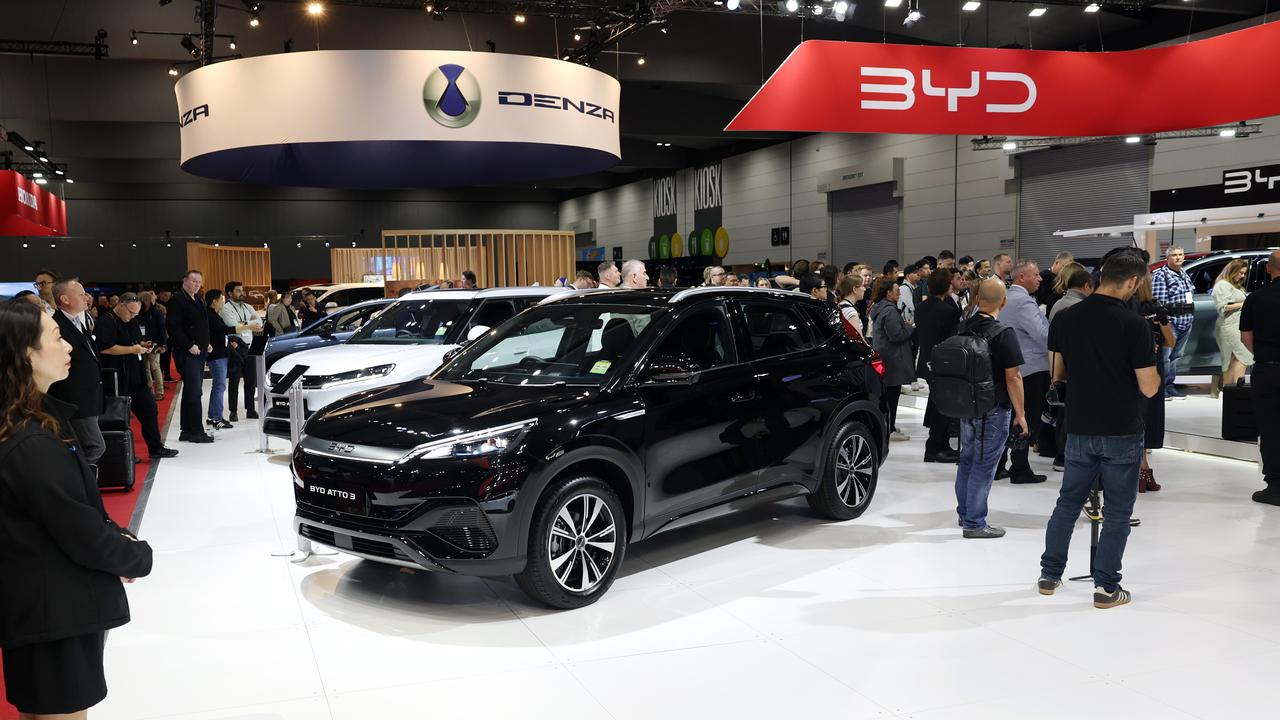
One in every six new vehicles sold in Australia is electric as more drivers bypass diesel and petrol vehicles during the fuel crisis.
Sales figures released by the Federal Chamber of Automotive Industries on Tuesday revealed consumers bought more than 15,400 electric cars during April, breaking a sales record for the second month in a row.
By contrast, sales of petrol cars dropped by 30 per cent during the month and diesel vehicle sales fell by 21 per cent.
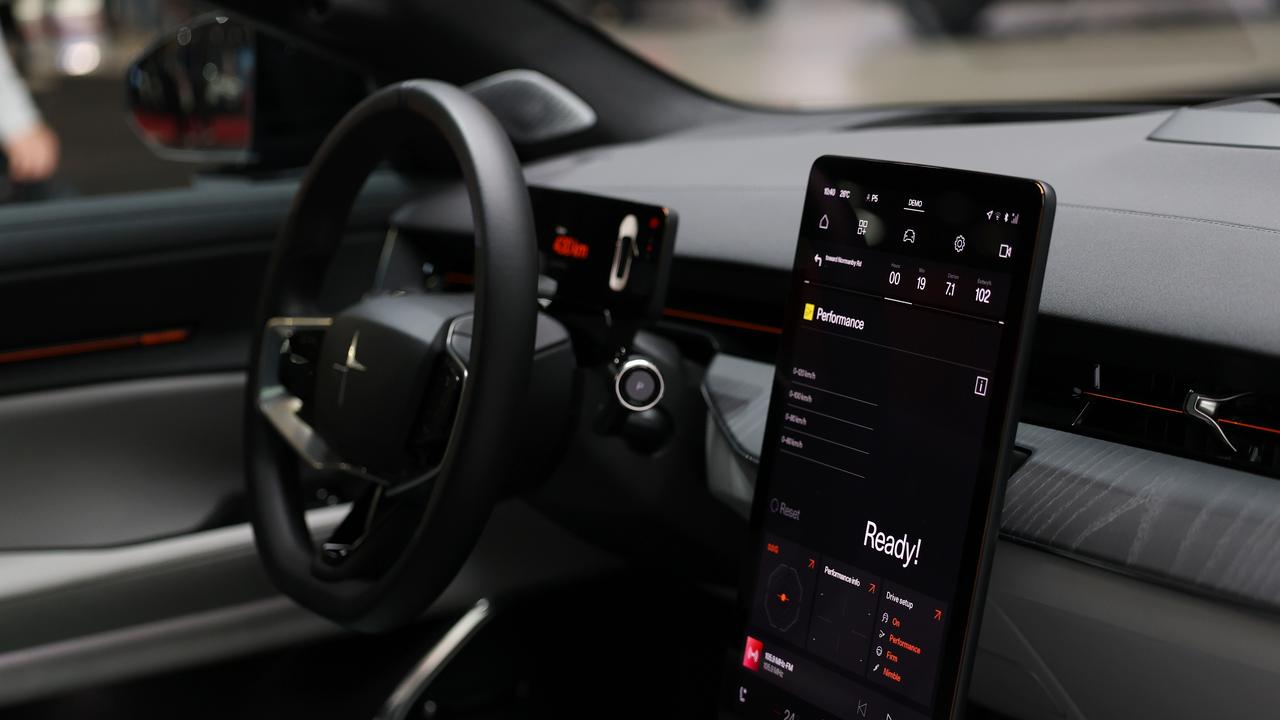
The news comes as fuel prices remain high due to the conflict in the Middle East, and after the federal government revealed it would reduce its Electric Vehicle Discount from April 2027.
Consumers bought more than 94,000 new vehicles during April, representing a slight increase on 2025 and demonstrating the market's resilience, chamber chief executive Tony Weber said.
But electric vehicles proved a stand-out, with sales more than doubling and representing 16.4 per cent of all new car sales.
"The increase in supply of EVs since the introduction of the New Vehicle Efficiency (Standard), combined with higher petrol prices and the continued support provided through the federal government's Electric Car Discount, is now translating into stronger demand," Mr Weber said.
The growing popularity of electric cars boosted sales for BYD, which earned the title of Australia's second best-selling brand, besting Kia, Hyundai and Ford, and following traditional leader Toyota.
BYD's Sealion 7 SUV also became the top-selling electric car for April, followed by the Geely EX5, Zeekr 7X, and Tesla's Model Y.
Other low-emission cars grew in popularity during the month as drivers purchased more than 18,100 hybrid vehicles and plug-in hybrid car sales more than tripled to top 9600.
A hybrid SUV, the Toyota RAV4, also claimed the top-selling vehicle for April, followed by Ford Ranger and Toyota HiLux utes.
Large vehicles remained popular despite the rising price of fuel, with SUVs making up 66 per cent of new vehicle sales, while passenger vehicles represented 11 per cent.
Growing momentum in electric car sales could continue based on the government's ongoing tax discount, Mr Weber said, but he called for greater support to boost charging facilities.
"Stronger EV uptake is driving increased demand for public charging and that demand must be matched by a step change in both public and private investment," he said.
The Electric Car Discount will continue until April, after which vehicles over $75,000 but below the luxury tax threshold will receive a 25 per cent discount on fringe benefits tax.
Groups including the Australian Finance Industry Association and Australian Electric Vehicle Association welcomed the announcement, although independent Sydney MP Sophie Scamps said funds saved should be reinvested to support EV adoption.