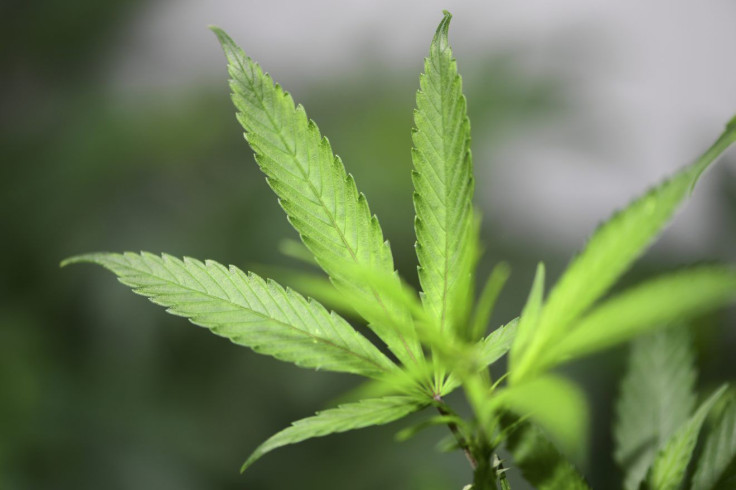
The Justice Department has reclassified state-licensed medical marijuana as a less dangerous drug, marking a significant shift in federal policy after a push from president Trump to accelerate the process.
Acting Attorney General Todd Blanche signed the order moving medical marijuana from Schedule I — a category reserved for substances with no accepted medical use and high potential for abuse — to Schedule III, which includes drugs with recognized medical applications and lower risk of dependence.
The change does not legalize marijuana under federal law but significantly alters how it is regulated, as The Associated Press points out.
Blanche said the department was "delivering on President Trump's promise" to expand access to medical treatment options. He added that the reclassification would allow for broader research into the "safety and efficacy" of cannabis, ultimately giving doctors "more reliable information" and improving patient care.
-
U.S. Pushing Allies to Combat 'Antifa and Far-Left Terrorism', Labels Them 'Political Terrorism Rather Than Mere Protest'

-
Joe Rogan Puts Trump Feud Aside at White House, Pushes Psychedelic Drug Fast-Tracking for Mental Health

-
Lawsuit Alleges Trump Administration Disproportionately Fired Black Officials From Federal Agencies



The decision follows a directive Trump issued in December instructing his administration to move "as quickly as possible" to reclassify marijuana. Days before the order was finalized, Trump publicly questioned the pace of the process during the signing of another executive order which directed his administration to accelerate medical research into the therapeutic benefits of psychedelic drug, telling aides that officials were "slow-walking" the effort and pressing them to complete it.
Under the new classification, state-licensed medical marijuana businesses will gain access to federal tax deductions that were previously unavailable to companies dealing with Schedule I substances. The order also establishes a streamlined process for those operators to register with federal authorities and clarifies that researchers can obtain cannabis from state-licensed sources without facing penalties.
Supporters of the change described it as a long-overdue recognition of cannabis' medical use, particularly as nearly all U.S. states now allow marijuana in some form. About 40 states operate medical marijuana programs, while many also permit recreational use.
Critics, however, argued the move could have broader consequences. Kevin Sabet, head of Smart Approaches to Marijuana, said the policy risks sending a "confusing message" about the drug's harms and criticized what he described as a "tax break to Big Weed." He added: "With this move, we are now confronted with the most pro-drug administration in our history."
The administration also announced it is beginning a broader process to consider reclassifying marijuana more widely, with hearings expected to start in June.
© 2025 Latin Times. All rights reserved. Do not reproduce without permission.