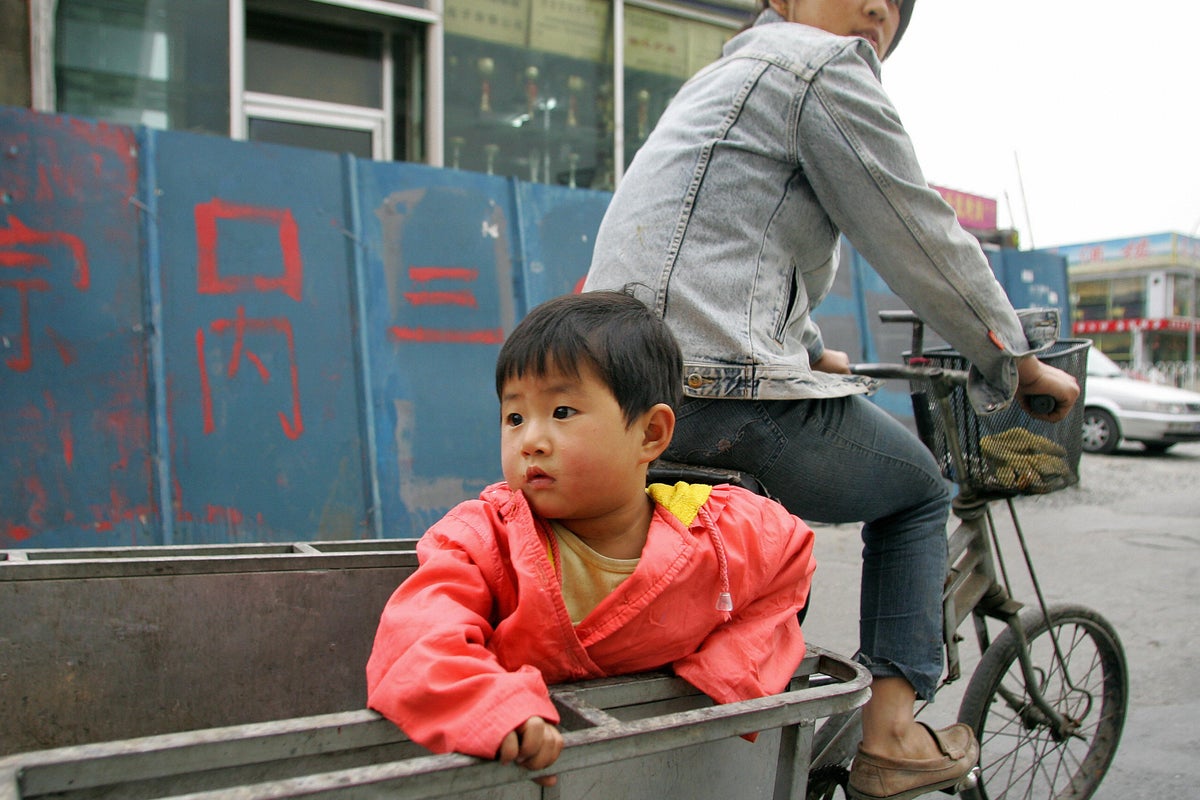
China is grappling with a persistent population decline, despite a decade of efforts to encourage more births following the abandonment of its stringent one-child policy.
Authorities have introduced a range of incentives, from direct cash subsidies to controversial taxes on condoms, in a bid to reverse the trend.
However, these initiatives have yet to yield the desired results, as evidenced by new population figures released on Monday. The world's second-most populous nation saw its population continue to shrink for the fourth consecutive year. In 2025, China's total population stood at 1.404 billion, a reduction of 3 million compared to the previous year.
The statistics illustrate the stark demographic pressures the country faces. The number of new babies born was just 7.92 million in 2025, a decline of 1.62 million, or 17%. The latest birth numbers show the slight tick upwards in 2024 was not a lasting trend. Births declined for seven years in a row through 2023.
Most families cite the costs and pressure of raising a child in a highly competitive society as significant hurdles that now loom larger in the face of an economic downturn that has impacted households struggling to meet their living costs.
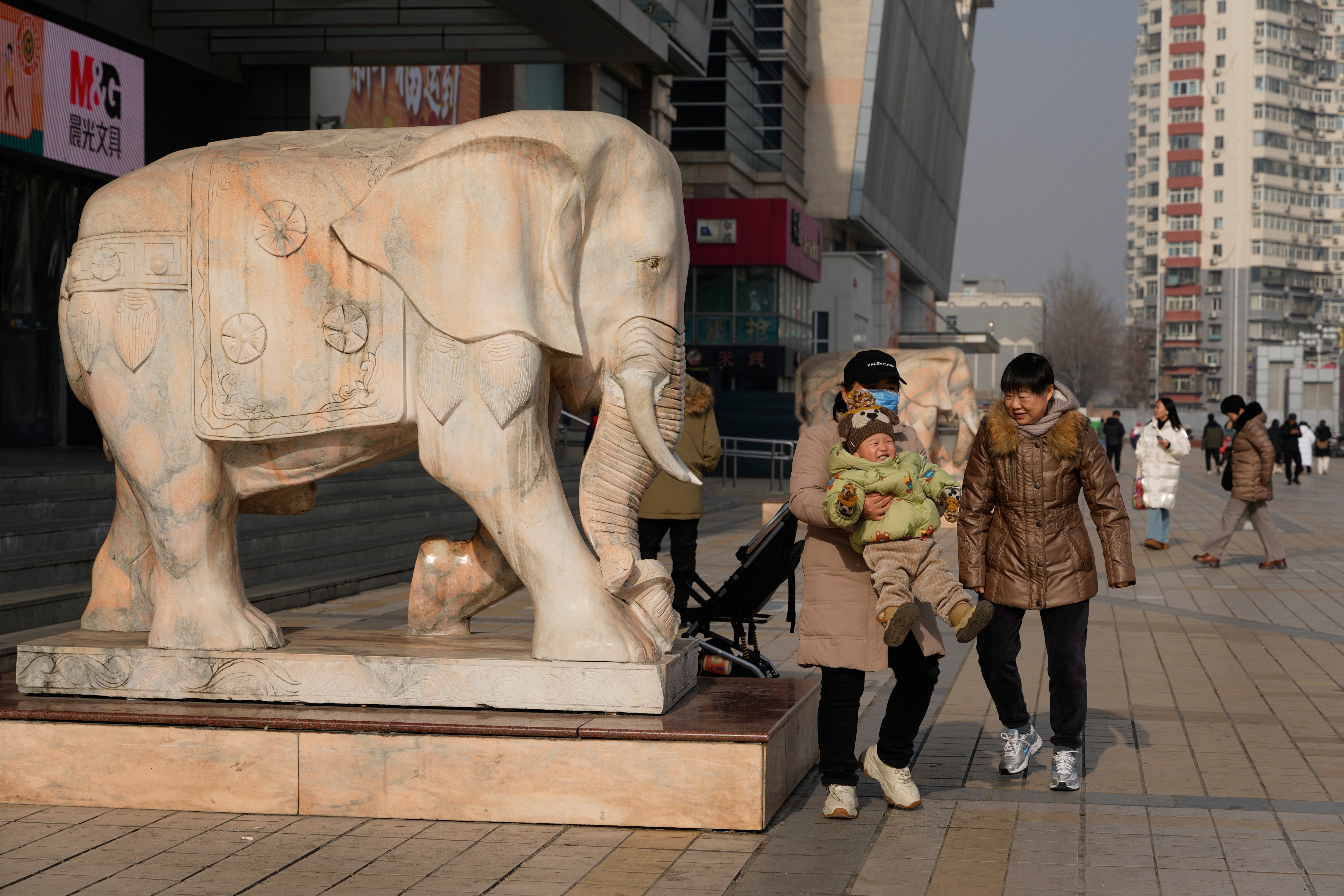
Like many other countries in Asia, China has faced a declining fertility rate, or the average number of babies a woman is expected to have in her lifetime. While the government does not regularly publish a fertility rate, last saying it was 1.3 in 2020, experts have estimated it is now around 1. Both figures are far below the 2.1 rate that would maintain the size of China's population.
After decades of a policy barring people from having more than one baby, the government raised the limit to two children in 2015. Facing demographic pressure, the government further revised the limit to three kids in 2021.
Officials have had limited success with policy changes to incentivize families to have more children. In July, the government announced cash subsidies of 3,600 yuan ($500) per child to families.
Coupling incentives with other attempts to mold behavior, the government also has started taxing condoms. China removed contraceptives, including condoms, from a value-added tax exemption list in 2025, meaning condoms are now being hit with a 13% tax that kicked into effect Jan. 1.
To further promote child-rearing, kindergartens and daycares have been added to the tax-exemption list along with matchmaking services.
China was long the world's most populous nation until 2023, when it was surpassed by regional neighbor and sometime rival India.