Voters across several states headed to the polls Tuesday in one of the busiest primary election days of the 2026 cycle, selecting nominees for high-profile gubernatorial, Senate and local races as candidates campaigned on issues ranging from affordability and trade to immigration and public safety.
In California, the race to succeed term-limited Gov. Gavin Newsom remained too close to call as vote counting continued. Early tallying showed Republican Steve Hilton and Democrat Xavier Becerra leading the crowded field, with Democratic businessman Tom Steyer also remaining competitive, according to election results reported by Reuters and statewide election tallies.
California's top-two primary system advances the two highest vote-getters to the general election regardless of party affiliation. Hilton held about 26.9% of the vote while Becerra had 25.7%, with Steyer trailing at 19.8%.
The California governor's race has drawn national attention because it will determine the successor to Newsom, who has led the nation's most populous state since 2019. The election also coincides with congressional contests that could influence the balance of power in the U.S. House of Representatives.
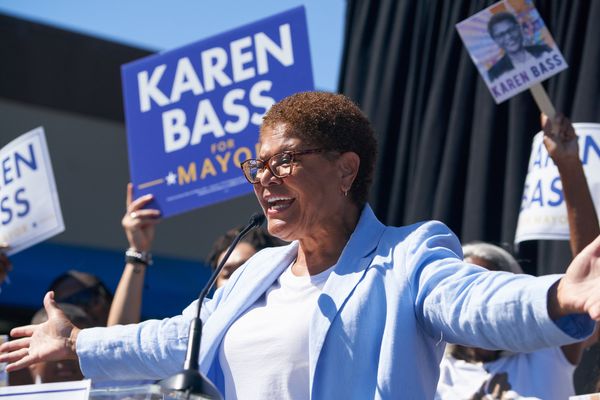
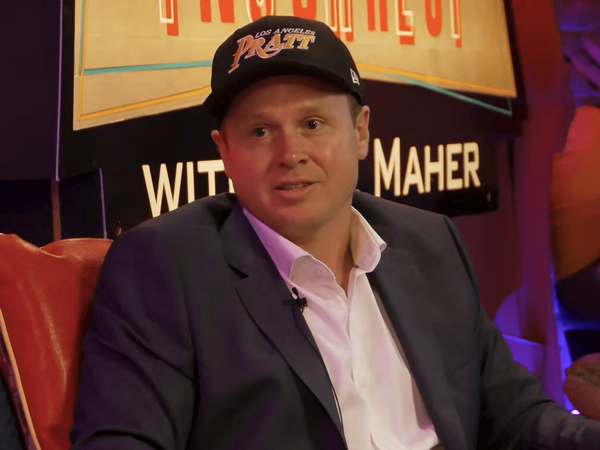
In Los Angeles, Mayor Karen Bass led the mayoral primary but did not secure enough support to avoid a runoff. Initial returns showed reality television personality Spencer Pratt in second place, though later vote updates narrowed the gap and brought City Councilmember Nithya Raman closer in the race for the second runoff position.
Iowa delivered some of the night's most closely watched results. State Rep. Josh Turek won the Democratic nomination for the U.S. Senate, defeating state Sen. Zach Wahls by a wide margin after a competitive primary campaign. Turek will face Republican Rep. Ashley Hinson in the general election.
The race attracted attention from national Democratic groups after outside organizations invested heavily on Turek's behalf. According to The Washington Post, the outcome represented a victory for Democratic leaders who had rallied behind Turek in the primary contest.
Republicans in Iowa also selected their nominee for governor. Businessman Zach Lahn defeated U.S. Rep. Randy Feenstra, who had received an endorsement from President Donald Trump shortly before the election. The result marked a notable setback for a Trump-backed candidate in a statewide contest.
According to Axios, Lahn secured enough support to win the nomination outright and avoid a party convention, while Feenstra conceded following the vote count.
The governor's race became an open contest after Gov. Kim Reynolds announced she would not seek another term. Lahn is now set to face Democratic State Auditor Rob Sand, currently the only Democrat holding statewide office in Iowa. Axios reported that the primary marked Iowa's first open-seat gubernatorial race in nearly two decades.
In Montana, Democrat Alani Bankhead secured the Democratic nomination for the U.S. Senate. The contest attracted attention because independent candidate Seth Bodnar is also seeking to challenge Republican former U.S. Attorney Kurt Alme in the general election.
Meanwhile, South Dakota's Republican gubernatorial primary produced an unsettled outcome. Businessman Toby Doeden finished ahead of Gov. Larry Rhoden in a crowded field, but neither candidate crossed the threshold needed to secure the nomination outright. Under South Dakota election law, the top two candidates advance to a runoff when no candidate reaches the required vote percentage.