Prime minister Anthony Albanese urged Australia’s teenagers on Tuesday to view the upcoming social media restriction as a safeguard rather than a punishment.
From midnight on 9 December, major platforms such as Facebook and TikTok will be compelled to block access for Australia-based users under the age of 16, facing hefty penalties if they fall short.
Mr Albanese spent the final hours before the implementation appealing to the hundreds of thousands of adolescents who will be affected, stressing that the measures were designed with their wellbeing at the centre.
The new rule requires ten of the world’s largest platforms, including Instagram, TikTok, Facebook, Snapchat, YouTube and Reddit, to block Australia-based users below the age threshold or face fines of up to A$49.5m (£24.6m).
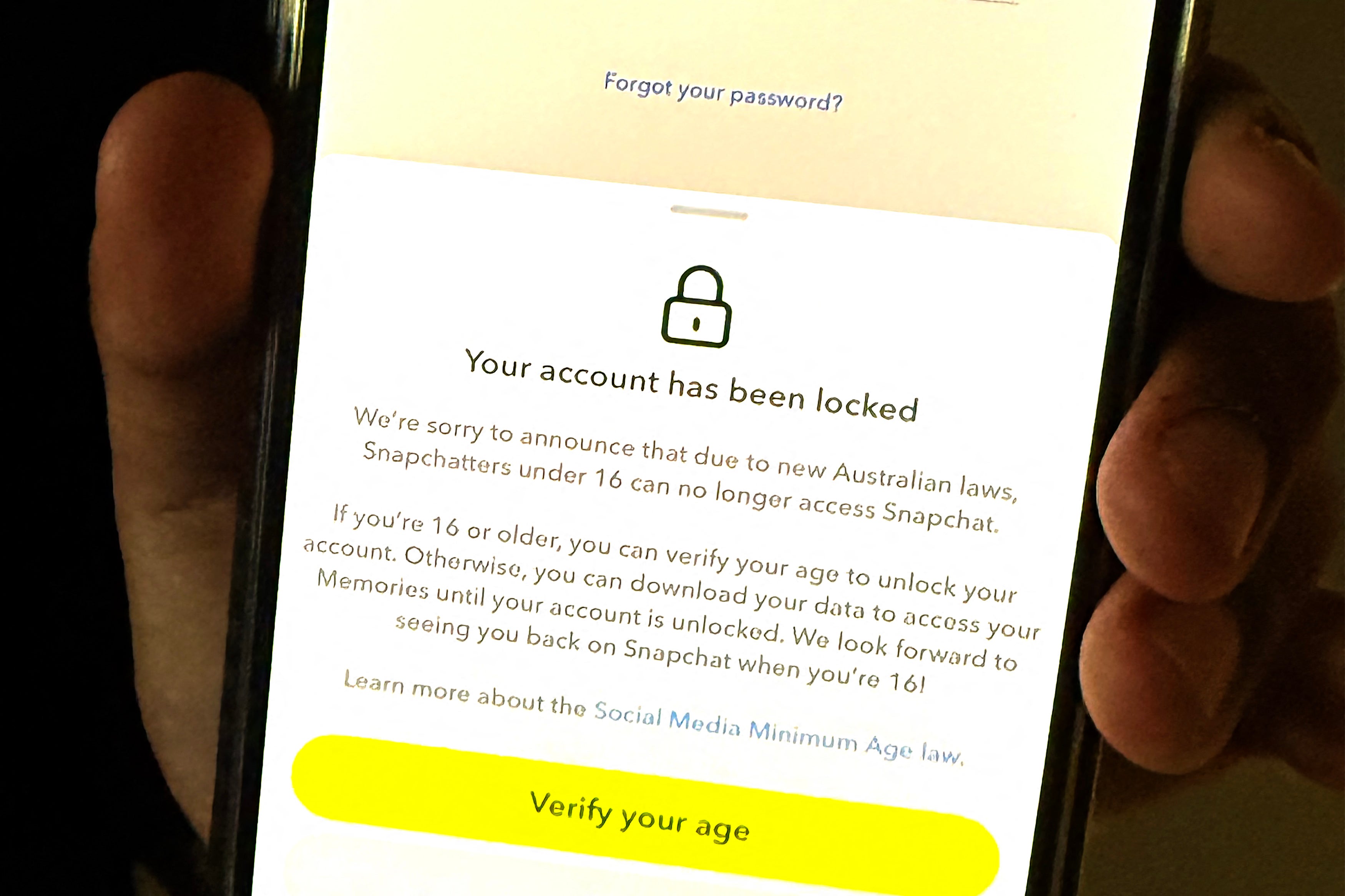
The measure marks the first attempt by any country to impose a legally mandated minimum age on social media participation at scale.
Mr Albanese told young people that the law was being introduced to protect them from the pressures of online life, while also urging them to make the most of Australia’s long summer break instead of scrolling on their phone.
In a video message released hours before the deadline, Mr Albanese said: “From December 10 if you’re under 16 you’re no longer allowed to have a social media account.
“You’ll know better than anyone what it’s like growing up with algorithms, endless feeds and the pressure that can come with that. That’s why we’ve taken this step to support you.”
The government’s immediate focus is on the transition period as hundreds of thousands of teenagers find their accounts disabled or unable to log in.
Many adolescents have expressed concern the ban will sever connections with friends, particularly those who rely on group chats and message boards as daily points of contact.
Acknowledging those worries, Mr Albanese encouraged teenagers to reach out to family members, trusted adults, or national youth mental-health services such as Headspace and Kids Helpline if they felt unsettled by the change.
Alongside the restrictions, the prime minister urged children to divert their attention towards activities long associated with Australia’s summer holidays – outdoor sport, time with friends and family, and hobbies often sidelined by heavy online use.
“Above all, make the most of the school holidays coming up rather than spending it scrolling on your phone,” he said.
“Start a new sport, learn a new instrument, or read that book that has been sitting there on your shelf for some time. And importantly, spend quality time with your friends and your family. Face to face.”
Enforcing the law will require platforms to take “reasonable steps” to identify underage users, widely expected to involve new verification processes and large-scale removal of existing accounts.
Reuters reported that more than a million accounts are likely to be disabled in the initial phase.
The response from tech companies has been mixed.
Reddit, which operates primarily as a pseudonymous text-based forum, had initially challenged the regulator’s assessment that it should be classified as social media.
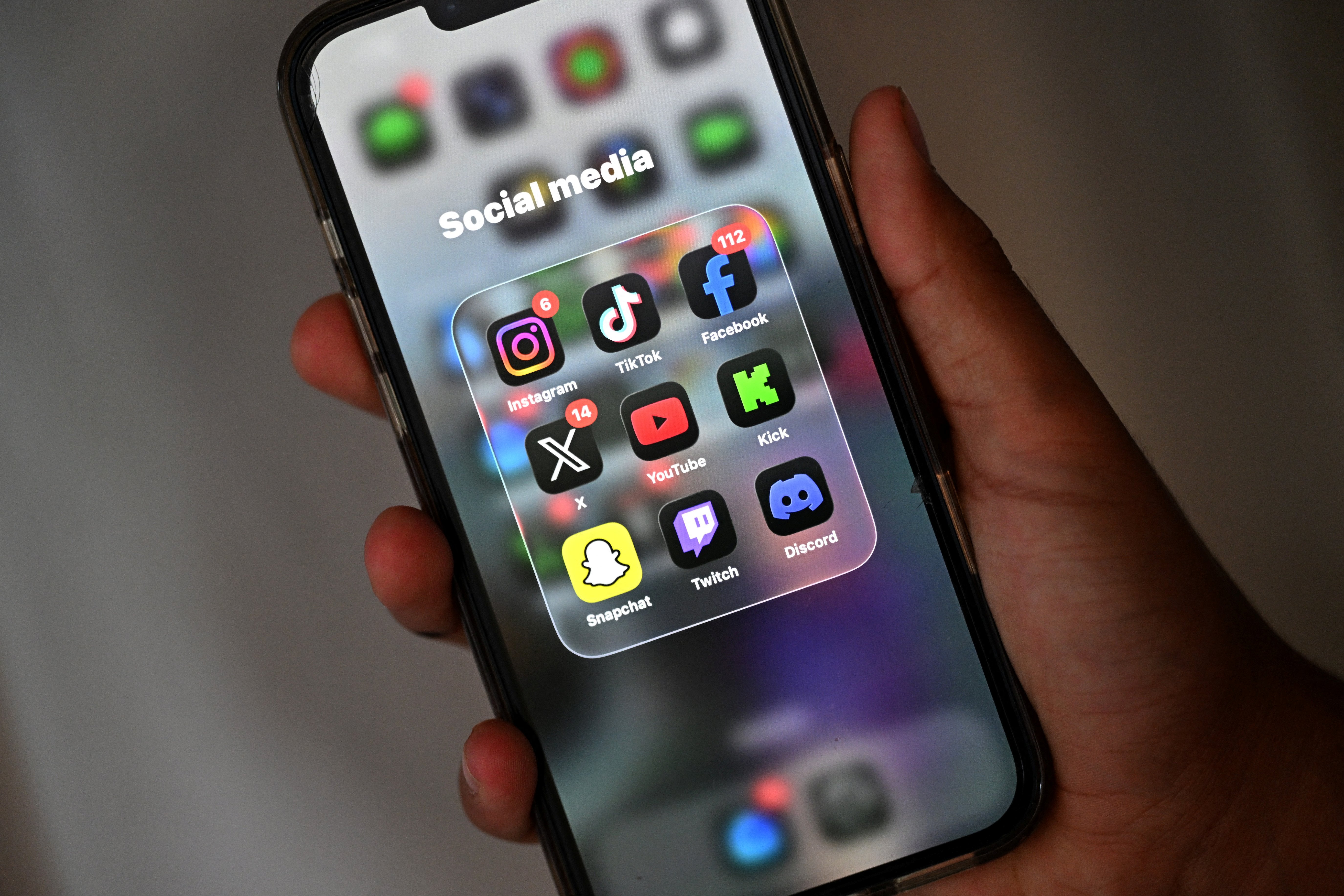
The platform ultimately confirmed it would comply, though it sharply criticised the legislation in a public post.
“By limiting account eligibility and putting identity tests on internet usage, this law undermines everyone’s right to both free expression and privacy, as well as account-specific protections,” the company said.
It argued the rules were “arbitrary, legally erroneous, and [went] far beyond the original intent of the Australian parliament, especially when other obvious platforms are exempt.”
Parents’ groups and child-safety advocates have welcomed the restrictions, seeing them as overdue steps to curb exposure to material that researchers have linked to body-image pressures, harassment and addictive behaviour patterns.
The law’s passage followed intense political scrutiny of the tech sector, particularly after leaked Meta documents in 2021 revealed the company’s internal awareness of the impact its services had on teenage well-being.
Governments across Europe and Asia – including Denmark and Malaysia – as well as several states in the United States are closely watching the rollout.
Many have flagged interest in developing similar age-control systems, especially as some platforms have scaled back content-moderation resources in recent years.
Australia’s system will function as a real-time case study for regulators who argue that voluntary safeguards have not kept pace with the risks faced by children online.
While criticism from major technology companies continues, Australia’s federal government has embraced the ban as a signature achievement.
Landmarks around the country are expected to be illuminated in green and gold – the national sporting colours – to mark the first day of the ban.
New Zealand banned phones in schools. Here’s what happened
Firefighter killed as out-of-control bushfires destroy homes in Australia
Pregnant worker fired via text wins her job back and $15,000
Maori rights under threat in New Zealand, warns UN committee
NZ police recover swallowed Fabergé pendant from alleged thief after six-day wait
IKEA opens new store 10,000 miles away from European headquarters