When Austin Councilmember Zo Qadri heard the man accused of killing two people and wounding 14 at Buford’s Sunday morning might be Muslim, three feelings rushed through him.
Disbelief. Shock. Worry.
Disbelief and shock? Expected. Worry? That wasn’t just for Austin as a city. It was also for the Muslim community, who, he feared, would be vilified and blamed for a crime they had nothing to do with.
The downtown shooting and early speculation about the suspect’s religion landed in the middle of an already charged political climate in Texas, where Republican leaders have escalated attacks on Muslim organizations. For Qadri, whose district includes the scene of the attack, the moment underscored how violence can quickly be folded into broader narratives that put Muslim communities on the defensive.
Long before the sun set on Sunday, Texas politicians attacked each other over immigration and gun control laws. Social media users posted tirades against Muslims. Anti-Islamic posts and conspiracy theories filled Qadri’s X timeline.
And the Muslim community feels it.
“I’ve had different folks reach out to me and say, ‘We’re concerned because we’re at our house of worship until late in the night, and we’re worried about a bad actor coming and causing trouble or causing harm,’” said Qadri, the first Muslim elected to the Austin City Council. “So I mean, that’s where my worry goes, right? People who are innocent who have nothing to do with this.”
The shooting happened just before 2 a.m. Sunday, when police say 53-year-old Ndiaga Diagne drove to Buford’s bar on West Sixth Street, rolled down his windows and began shooting out of his car with a pistol. Police say he then parked, got out of his vehicle with a rifle and continued shooting.
Police and paramedics arrived on the scene within one minute. Diagne was shot and killed. Two people — 21-year-old Savitha Shan and 19-year-old Ryder Harrington — died. A third was expected to be taken off life support, police said Monday. Fourteen others were injured.
Investigators say it is too early to definitively declare a motive.. But FBI officials say there were indicators that the attack could be related to terrorism. Authorities pointed to symbols captured in images from the scene, including photos that show Diagne wearing a sweatshirt with “Property of Allah” across the front and a shirt with an Iranian flag design during the shooting as factors under review.
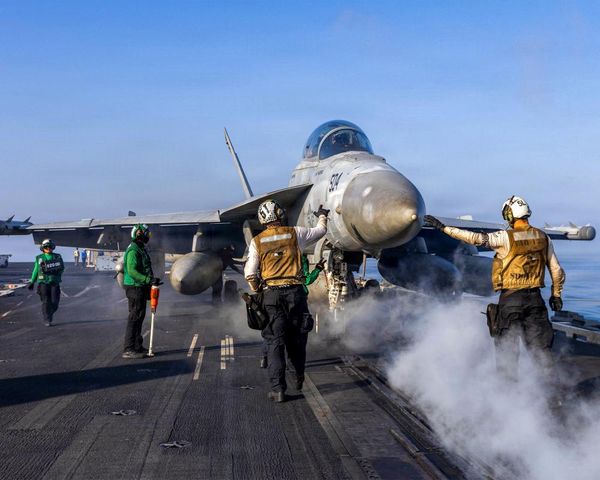
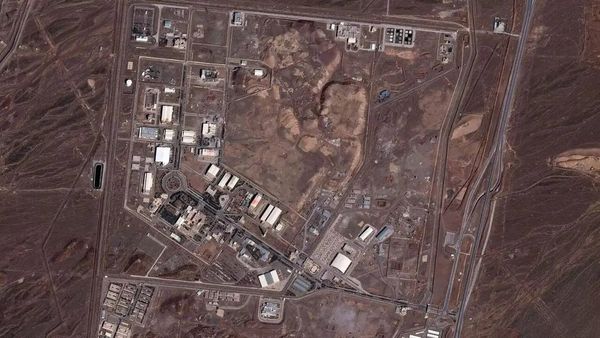
The assault came as the United States and Israel carried out airstrikes in Iran. It is also Ramadan, the holiest month of the Islamic calendar, when Muslims fast, pray, reflect and spend time with the community.
The shooting unfolded as Texas leaders have taken aggressive action against Muslim organizations, a backdrop many Muslims say has normalized suspicion toward their faith.
In November, Gov. Greg Abbott designated the Muslim Brotherhood and the Council on American-Islamic Relations (CAIR) foreign terrorist organizations. The designation bans the two Muslim groups from purchasing or acquiring land in Texas. CAIR, a Muslim advocacy group, filed a lawsuit several days later.
Last month, Attorney General Ken Paxton sued to shut down CAIR, alleging the group is a “radical terrorist organization that exists to usurp governmental power and establish dominion through Sharia law.”
Shortly after the shooting on Sunday, politicians across Texas and the country began denouncing immigration policies. It didn’t come as a surprise to some Muslims. They said the rhetoric often spills over into everyday interactions and online harassment
Sajid Iqbal, an imam at a mosque in the outskirts of Austin, knows all about the negative sentiment directed toward Muslim communities when violent incidents with suspected ties to terrorism occur.
Iqbal describes his community as peace-loving. The motto at his mosque is “love for all, hatred for none.”
“When we see that people are making these comments toward our population in general, it does hurt us in that these are our neighbors, these are coworkers or peers making these comments toward us,” Iqbal said. “At the end of the day we don’t have an answer or rebuttal because all we can do is pray for them and show with our example what true Islam actually is.”
Safety is always a priority at his mosque when Muslims gather to pray, he said. Those who belong to the mosque count on volunteers to stand outside to keep watch for any security problems.
Violent incidents involving Muslims always become politically heated, said Haris Tarin, vice president of policy and programming at the Muslim Public Affairs Council, a national advocacy group.
“It’s not like this is something new,” he said. “This will continue. They use and they unfortunately exploit tragedies like this, rather than focusing on what the core issue is, whether it’s mental health or something else.”
The political fervor, he said, goes beyond scoring points with their supporters. It can embolden and motivate volatile people to harm others. They can set fire to mosques or attack Muslims, he said.
“It gets out to enough people where it starts to cause violence and it starts to cause anxiety amongst our communities,” Tarin said.
On Monday, as police continued to investigate the shooting, Qadri’s office hosted a blood drive outside City Hall. He sees himself both as a city leader and a Muslim and says his responsibility is to represent everyone.
“All I’m trying to do,” he said, “is be the best example of a public servant, of a person, as I can be to give folks hope during this really difficult time.”