The image of a woman on a motorcycle has become a defiant symbol of resistance against a regime determined to silence its youth. Diana Bahador, known to her thousands of followers as a vibrant adventurer, now represents the ultimate cost of the civil unrest currently gripping Iran.
Government forces reportedly killed the bombshell biker during a protest in Gorgan on 8 January 2026. The Iranian state media, however, denied the allegation and claimed she died from a crash, which many believed was just a cover-up.
Who Was Diana Bahador? The Life and Influence of the Baby Rider
Diana Bahador, a 19-year-old social media influencer known as 'Baby Rider', was a prominent figure in Iran's motorcycling community. She was known for her striking blonde hair and fearless riding style. Her beauty and skills earned her a significant following on social media. She had over 175,000 followers on Instagram, where she documented her travels across the country.
In a nation where women face severe restrictions regarding public conduct and transport, Bahador's presence on a heavy-duty motorcycle was inherently political. She used her platform to showcase a lifestyle defined by autonomy and mobility, qualities that resonated deeply with a generation of Iranians seeking greater personal freedoms.
Friends and fellow riders described her as a charismatic individual who refused to be confined by traditional societal expectations. Her social media presence provided a rare glimpse into the burgeoning subculture of young Iranians who identify more with global youth trends than with the strictures of the clerical establishment.


A Fatal Encounter During Nationwide Civil Unrest
The circumstances surrounding Bahador's death have sparked international outrage as details of her final moments emerge. Reports indicate that Bahador was targeted whilst riding her motorcycle during a period of intense street demonstrations in Gorgan.
Bahador was reportedly shot twice with live ammunition during an anti-regime protest around midnight on 8 January. Her body was only returned to her family two days later, according to the Hyrcani Human Rights group. A source close to the family claimed that officials would only release her body if they agreed to conduct a secret burial. Also, they were forced to deny the security forces' involvement in her death.
Eyewitness accounts suggest that she was not actively engaged in combat but was caught in the lethal crackdown deployed to clear the streets of dissidents. The loss of such a visible young figure has intensified the anger of the public, who view her shooting as a calculated attempt to intimidate other young women from participating in the movement.


The Alleged Cover-Up
The Iranian state media released a statement regarding Bahador's death. It disputed earlier reports suggesting that she was killed in a protest. They claimed that Bahador's real name was Shahrzad Mokhami, and she was killed in a motorcycle crash on 22 January. The accident reportedly happened in Golestan province, where she lost control of her motorcycle and hit a highway guardrail, resulting in her death.


Systemic Oppression
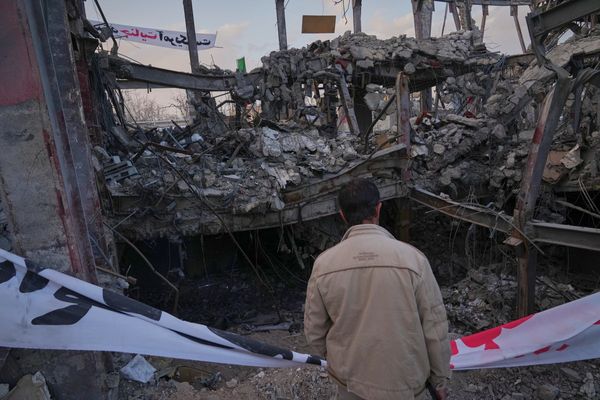
The death of Bahador is the latest tragedy in a broader wave of protests that have seen dozens of officers and hundreds of civilians killed. The Iranian government has responded with increasing force, citing national security concerns as the primary reason for the presence of armed units in urban centres.
An alleged eyewitness claimed that security forces stopped an ambulance during the protests from 7 January to 9 January. They reportedly entered the vehicle and killed five injured passengers, including a 15-year-old girl. The individuals were alive when they were arrested, but were already dead when they were returned to their families a week later.
Medical professionals are also reportedly not safe from Iranian authorities. Several health workers were detained for treating protesters, in a bid to intimidate them and conceal the evidence of violence. Earlier this month, Iranian protester Erfan Soltani was sentenced to death after a 10-minute 'sham trial' for participating in an anti-government demonstration. US President Donald Trump promised to help the Iranians and encouraged them to continue with the protests because 'help is on its way'.





.png?w=600)