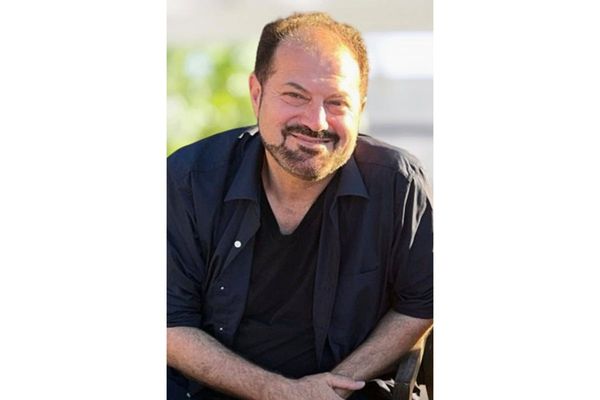
As tech conglomerates and software engineers race to build the next generation of clinical algorithms, a critical truth is becoming increasingly clear: technology cannot safely transform medicine in a vacuum. According to Andrew Ting, physicians are not just end-users of these emerging technologies; they are the most important voice in guiding, shaping, and regulating AI development.
Reality of the Clinical Environment
Software developers are proficient in working with sanitized data, optimizing the code, and designing user-friendly interfaces. Nevertheless, the sanitized world of software development laboratories has nothing in common with the wild world of hospital floors and busy outpatient facilities. In addition, healthcare-related data is extremely complex, subjective, and ambiguous. The history of a particular patient found in an electronic health record (EHR) system is fragmented, subjective, and requires context analysis.
Without direct guidance from physicians during the initial training phase of AI models, algorithms risk misinterpreting the data. Doctors understand the subtle qualitative differences between patients that a computer might view as identical numbers on a spreadsheet. They know how to read between the lines of a lab report, factoring in a patient’s emotional state, lifestyle, and physical appearance. If AI developers do not integrate this front-line clinical intuition into their models, the resulting tools will look brilliant on paper but fail completely when introduced to the complex workflows of a real-world medical setting.
Mitigating Bias and Protecting Equity
One of the greatest dangers facing healthcare AI today is the unintended spread of historical biases. Algorithms learn from the data they are fed. If an AI is trained on historical medical datasets that come mainly from particular demographics, its diagnostic recommendations and predictive models will tend to mirror those same disparities.
It is critical that physicians play their part in this regard. Day in and day out, doctors understand the impact of socioeconomic, geographic, and cultural factors on patients' well-being. In addition, they have the medical expertise required to assess datasets, identify any missing demographic data, and scrutinize algorithmic recommendations for objectivity. As active stakeholders in the creation of AI algorithms, physicians have the power to ensure that the development team prioritizes the use of diverse training datasets so that the technology benefits everyone.
Navigating the Complexities of Clinical Ethics
At its core, medicine is guided by ethical pillars: autonomy, beneficence, non-maleficence, and justice. Turning these ideas into binary code is one of the most knotty problems AI developers run into. A machine can compute statistical probabilities with astonishing speed, but it doesn’t have the ability for empathy, moral reasoning, or ethical judgment, in the human sense.
Think about a scenario where an AI model predicts a critically ill patient has a low probability of survival and then advises withholding a scarce medical resource. A purely algorithmic approach leans entirely on mathematical optimization. A physician, though, understands the subtle ethics behind palliative care, family wishes, and the intrinsic value of human life. Doctors are trained to move through those gray zones where there is no clear right or wrong answer. Their leadership in AI development ensures that algorithms are designed to respect patient autonomy and support human dignity, keeping the "human element" firmly at the center of automated decision-making.
Bridging the Trust Gap for Patient Safety
For any healthcare technology to succeed, it must earn the trust of both the medical community and the patients it intends to serve. Medical professionals are naturally skeptical of "black box" algorithms, systems that deliver diagnostic output without explaining the underlying reasoning. If a doctor cannot trace how an AI arrived at a specific conclusion, they cannot ethically or legally use that recommendation to treat a patient.
Physicians are uniquely qualified to help developers design explainable AI models. They understand exactly what kind of evidence, clinical trials, and transparency a peer-reviewed environment requires. When physicians play an active role in validating these systems, they help build a bridge of trust. Patients feel more secure knowing that an algorithm is being treated as an advanced stethoscope, a powerful tool utilized under the strict oversight of a human expert, rather than an autonomous machine making unilateral decisions about their health.
Designing for Longevity and Collaboration
Ultimately, the goal of incorporating artificial intelligence into medicine should not be to replace clinicians, but to augment their capabilities and alleviate administrative burdens. Burnout among healthcare professionals is at an all-time high, often driven by hours spent charting and navigating clunky digital interfaces. Properly designed AI can automate routine documentation, flag critical drug interactions, and triage urgent imaging scans, freeing up doctors to do what they do best: care for patients.
Conclusion
Achieving this collaborative synergy requires a continuous feedback loop that only medical professionals can provide. As Andrew Ting noted, cementing the physician's voice at the absolute forefront of AI innovation is our best guarantee that these advanced tools will enhance patient safety and optimize clinical outcomes. By embracing this partnership, the tech industry can transition away from building speculative tools and focus instead on engineering practical solutions that genuinely safeguard the future of public health.