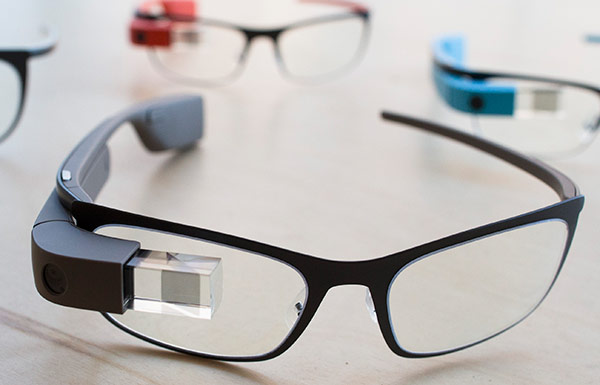
Google Glass is a wearable computer that allows users to access the internet and record video
Who is using it?
Medical students
How it works:
Surgeon Rafael Grossmann used the headset to send a video stream of a surgical procedure to students: “It gave them a live view of what I could see, through my eyes and my persepective.” At the same time, Grossmann hosted a Google Hangout (a video conference call) with the students, answering questions about what he was doing.
“Surgery involves a lot of intricate procedures and so it’s very important that students can see exactly what you’re doing. This doesn’t just open up possibilities for surgery, there are also opportunities for nursing and paramedic students.” Photograph: John Minchillo/AP

An augmented reality app that allows students to explore premodern Italian manuscripts
Who is using it?
Finalists and postgrads at Manchester University
How it works:
When you’re working on an ancient manuscript, you can’t scribble in the margins. This augmented reality app lets academics annotate premodern texts digitally. Students can then explore these primary sources in their own time, with a whole catalogue of enrichment at their fingertips. Photograph: Manchester University
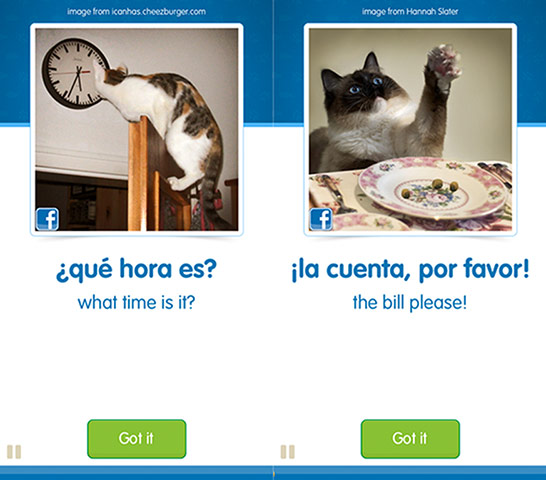
Combining meme and meow, the Cat Academy app uses the power of visual mnemonics to help users learn languages quickly
Who is using it?
Cat-loving internet addicts
How it works:
The app shows pics of cats in adorable poses while displaying a corresponding phrase in Spanish. Why? Cute images improve students' cognitive function, according to research by Japanese academics. Photograph: Memrise
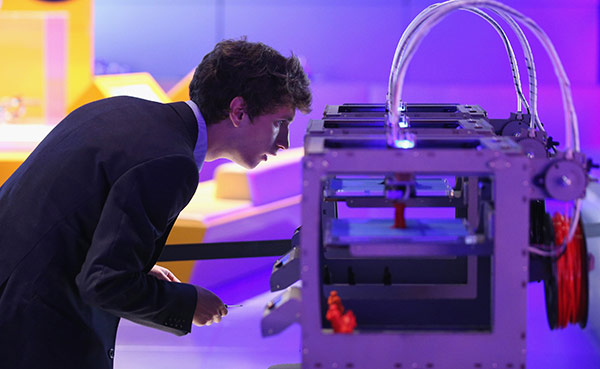
3D printers can print in materials such as plastic, metal or nylon
Who is using it?
Schools around the country
How it works:
3D printers – which create a three-dimensional objects by building them layer upon layer, until the entire piece is complete – are being introduced in 60 schools across the country. These schools will have responsibility for training teachers to use the technology effectively before the programme is introduced across state schools. Education secretary Michael Gove says the printers are “revolutionising manufacturing and it is vital that we start teaching the theory and practice in our schools.” Photograph: Oli Scarff/Getty Images
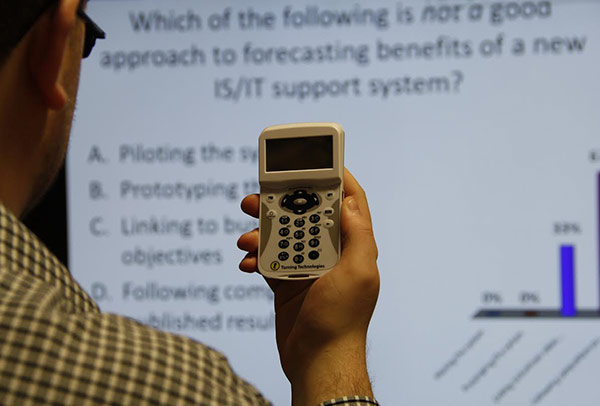
Similar to electronic handsets used on quiz shows, an electronic voting system (EVS) is a communication technology that academics are using in the lecture hall to test students’ understanding
Who is using it?
The University of Hertfordshire, pictured above, is one of many institutions taking advantage of the technology
How it works:
Students use controls to submit their responses, which are then displayed in the form of a chart at the front of the class, with the correct answer highlighted. Teachers say it gives them quick feedback, showing what their students have understood. Students’ answers are displayed in the lecture hall anonymously, however results can also be downloaded as end-of-term reports. Photograph: University of Hertfordshire
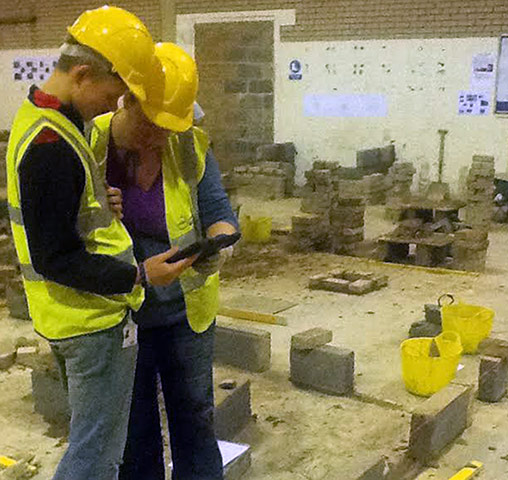
An augmented reality app that helps bricklayers learn the tools of their trade
Who is using it?
Students at South Staffordshire college
How it works:
Using barcodes to identify the task they’re trying to carry out, this phone app gives trainee bricklayers detailed instructions about, for example, how to cut a brick. The college says that the technology has improved the number of students cutting bricks in half correctly first time from around 50% to 95%, making a big saving on material costs. Photograph: South Staffordshire College
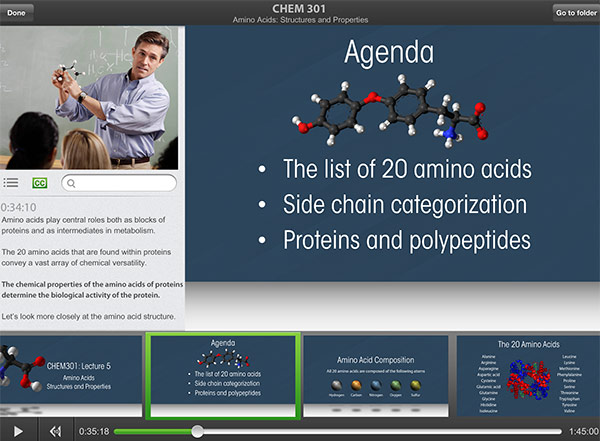
Lecture capture software records academics' classes so that students can access them online
Who is using it?
Universities across the country
How it works:
Missed a class? Not to worry - many universities now record lectures and make them accessible through their virtual learning environment (VLE). Special software films academics and their powerpoints. It also allows students watching a class live to log in and make notes onto their own personal copy of the recording. The technology is increasingly popular among UK universities, according to Nigel Thomas, ICT leader at Aberystwyth University, who adds that it hasn't caused a dip in the number of students attending lectures. Photograph: Panopto







.jpg?w=600)