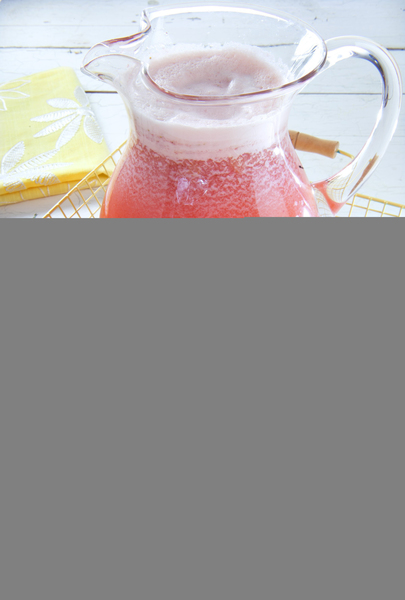
Kid-powered lemonade stands that serve old-fashioned lemonade _ the kind that requires a bit of elbow grease because it is squeezed from fat, juicy lemons _ are a dying breed.
Powdered and bottled lemonades with artificial sweeteners and colors dominate the market. There is a breed of pink-fleshed lemons, but their flesh _ not their juice _ is rosy. Sometimes cranberry, pomegranate, grapefruit or raspberry juices are used for coloring. But stories about the invention of pink lemonade in the mid-1800s tend to leave a bad taste.
One often-repeated tale is that cinnamon red hots were accidentally dropped into a pitcher at a carnival concession stand. Another says pink lemonade was invented by a circus concessionaire who ran out of water and used the dregs left in a wash tub dyed pink by a horse rider's red tights. Or, in some versions, a red blanket.
The blog Mental Floss adds a more plausible modern-day source of the pink in lemonade: Red dye No. 40. Concerns about additives and preservatives are certainly valid, but I also worry that these "ades" seldom contain pulp or taste the least bit acidic.
The Kansas City Star's Sparkling Strawberry Lemonade is an effervescent twist on straight-up old-fashioned lemonade, but it comes by its rosy color naturally: Simply add a few strawberries for flavor, color and garnish, and you have a pitcher the color of a cool summer sunset.
Lemonade is high in vitamin C, and the sparkling water makes it a better thirst quencher than sodas. There are 100 calories in 1 cup of lemonade.
SERVING TIPS
_ The lemonade will separate upon standing. Stir to combine and serve.
_ For an adult-only libation, try adding a shot of rum or vodka.







.jpg?w=600)