Japanese knotweed is an invasive plant that all homeowners need to know about. It spreads rapidly, crowds out surrounding vegetation and, more importantly, can damage your home.
Even if you don’t enjoy gardening, you need to keep control of Japanese knotweed before it takes over, cracking concrete and penetrating foundations.
I called on a gardening expert to share her knowledge of how to identify this invasive plant and what to do if you discover Japanese knotweed in your yard.
How to identify Japanese knotweed
Japanese knotweed is listed by the World Conservation Union as one of the worst invasive plant species, and for this reason, you need to know how to identify it in your yard.
"Japanese knotweed [Fallopia japonica] has some key characteristics that are instantly recognizable; however, the plant changes through the seasons, so it’s important to know what the plant’s lifecycle looks like too,” explains Jennifer Holmes, Group Head of Marketing & Business Development at Japanese Knotweed Ltd.
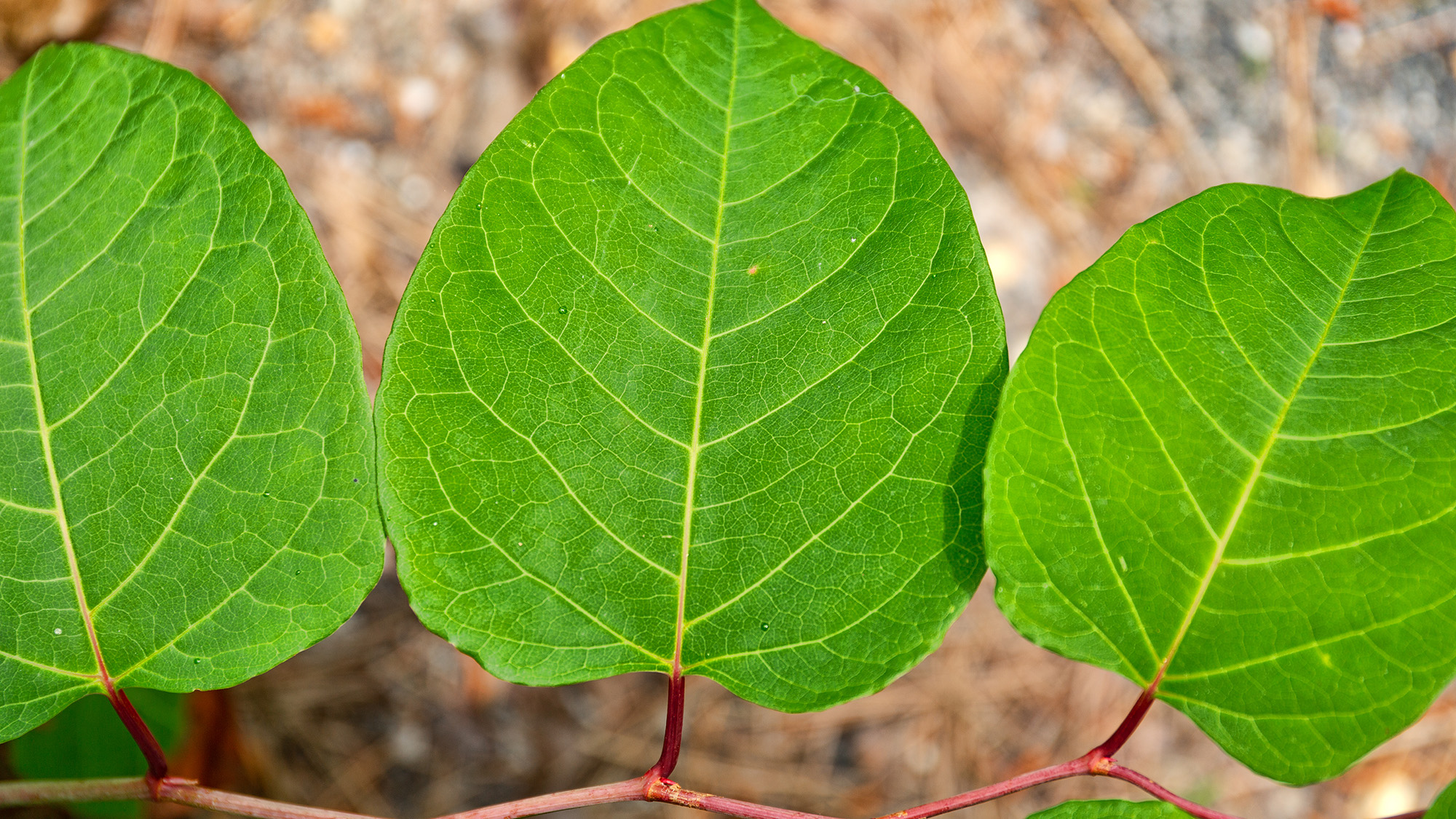
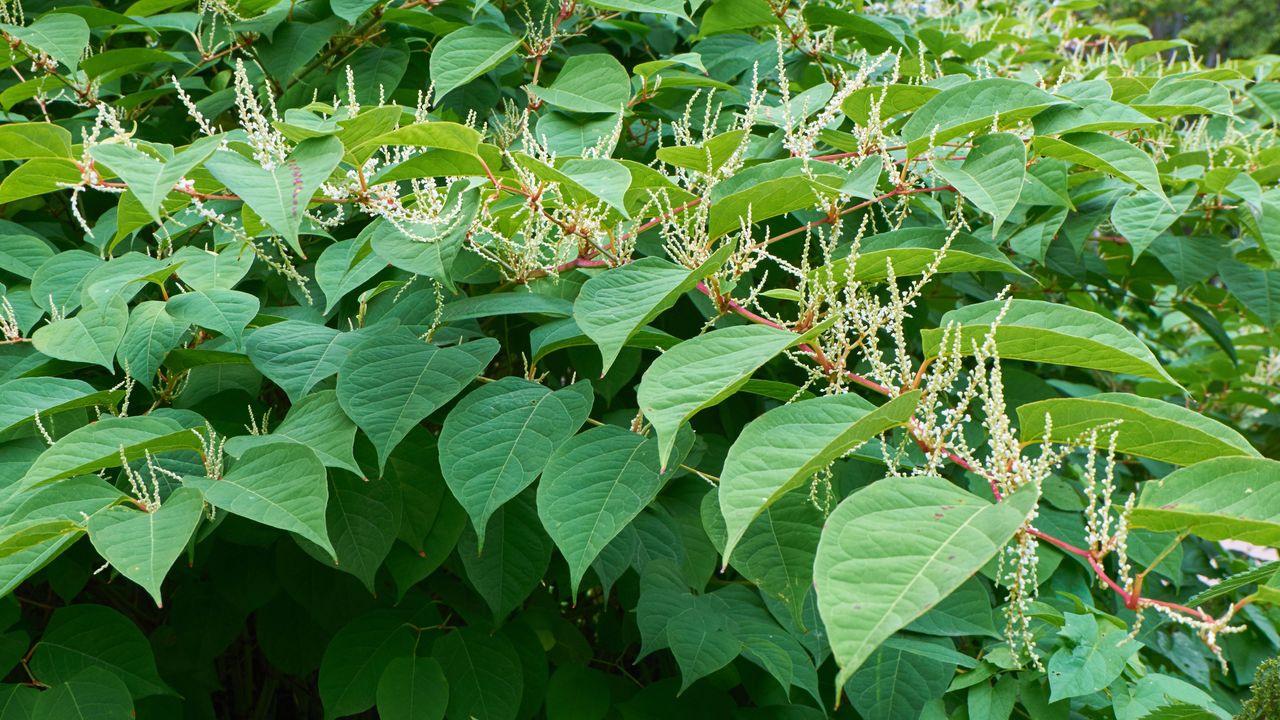
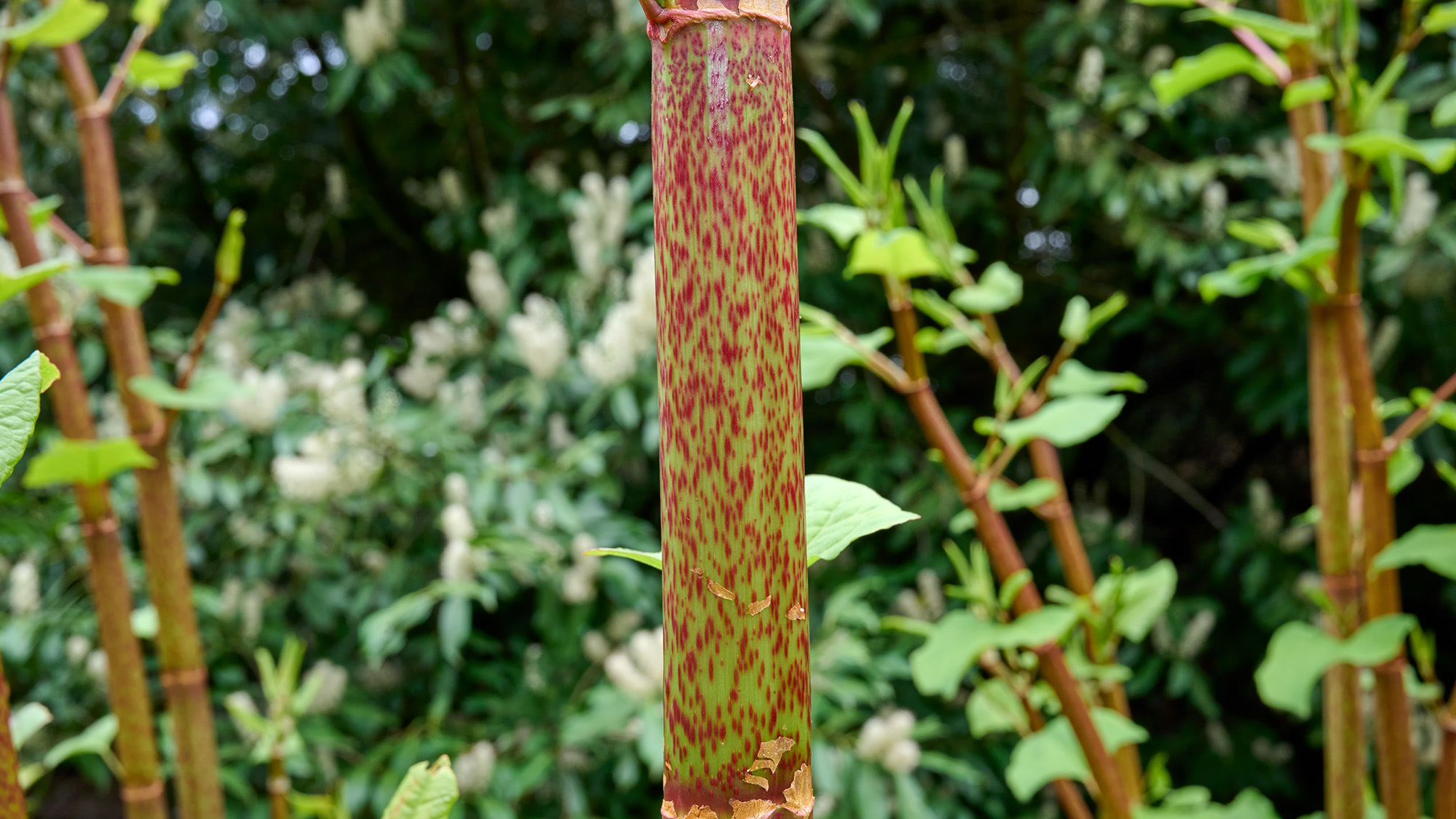
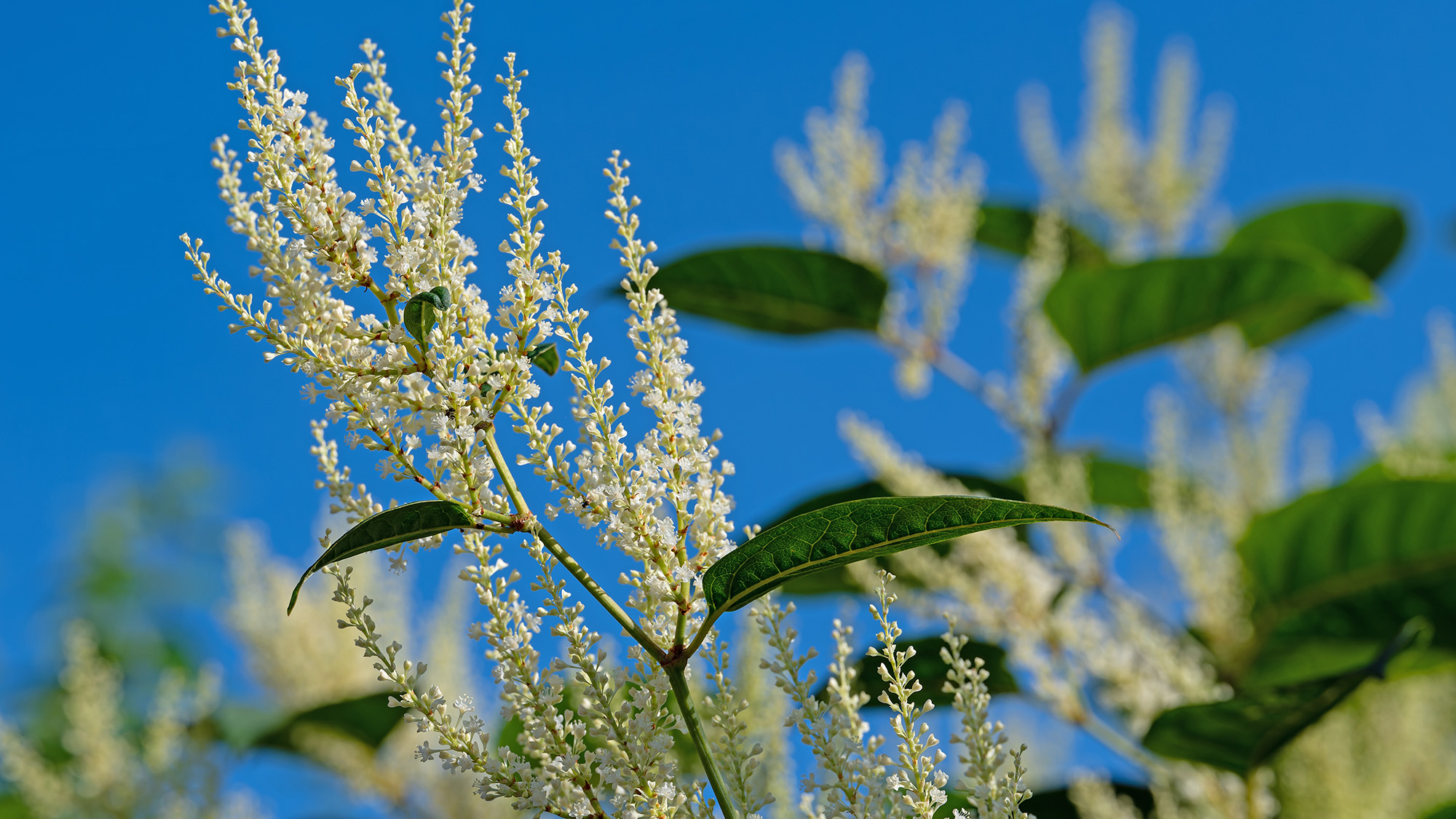
She describes the plant as having tall, thick, hollow stems, with red/purplish freckles. The grass-green leaves are shovel-shaped and branch from single nodes up the stem, forming a zigzag pattern, while the small, creamy-white flowers grow in vertical clusters from the branches.
Holmes describes the roots as woody and dark brown, yet “snap like a carrot to reveal a bright orange center.” They can also be thin “like spaghetti” or as thick as eight inches in diameter.
Seasonal changes
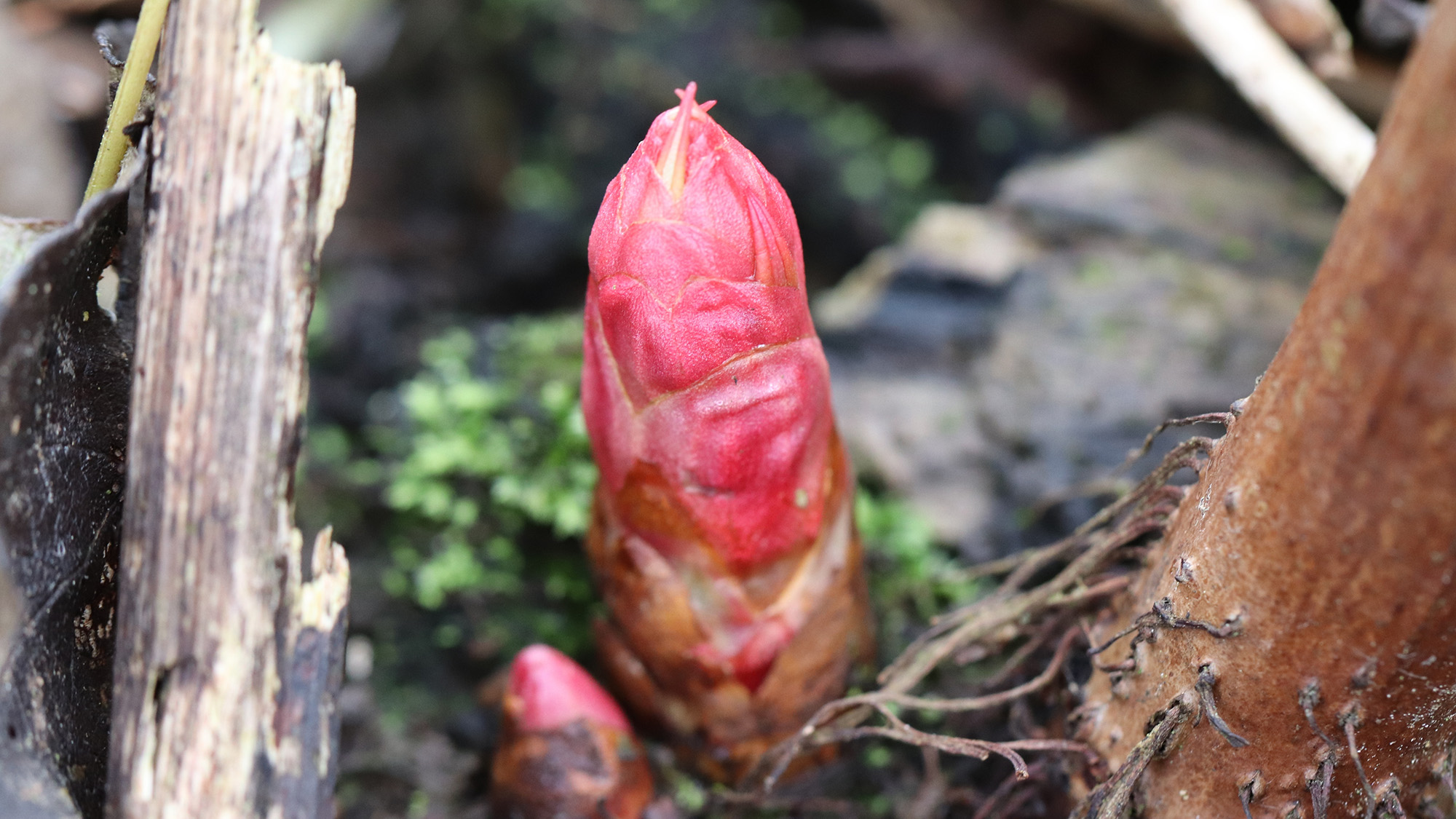
You may first notice Japanese knotweed emerging in the spring. Holmes says, “It looks like young asparagus but with purplish red tips.”
By summer, it will appear quite different and will have reached its peak growth (up to 7 feet tall) and formed dense canopies of rich green foliage, with creamy white flowers. Moving into fall, Holmes says, “The leaves turn golden and drop off, and the stems turn brittle."
Finally, in winter, the stems become brown, brittle canes, but still remain hollow in the center.
What damage does Japanese knotweed cause?
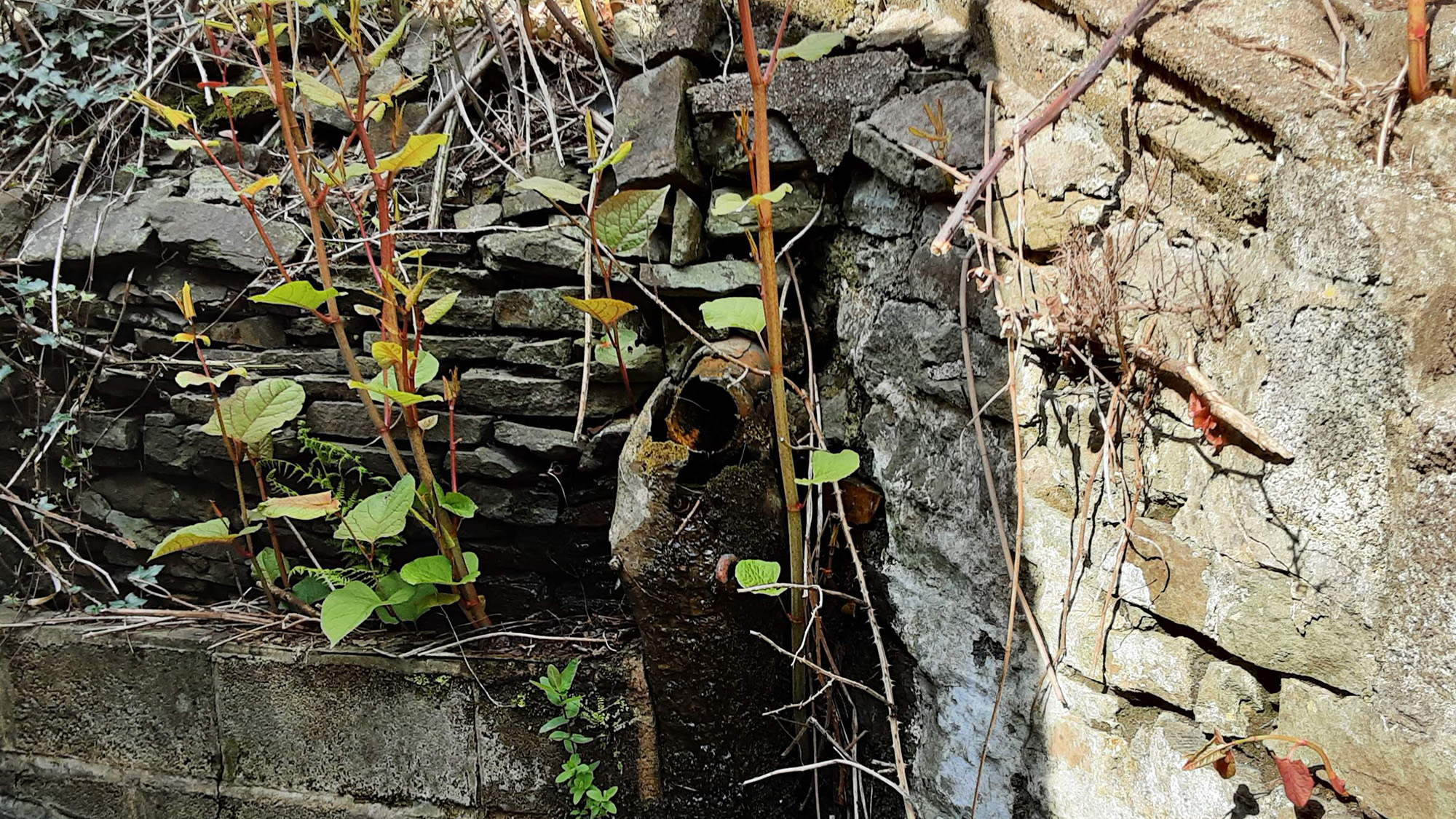
Japanese knotweed is a tough plant and will grow almost anywhere, withstanding extreme conditions and temperatures. Holmes explains that this invasive species has powerful underground rhizomes that can spread several meters in every direction.
What’s more, it takes advantage of weak areas or cracks and grows through them. For homeowners, this can mean damaged pipes, drains, walls and foundations, and a big repair bill in return.
Japanese knotweed removal: Don't make this big mistake
Holmes describes Japanese knotweed as being unlike any other garden weed. “It’s fast-spreading and persistent if not removed by a professional.”
“It only takes a small amount of healthy root to give rise to an entirely new plant — and cause the infestation to re-emerge,” says Holmes, and she adds that disturbing the root system can promote new growth.
And she adds, “Because the plant can regrow from a fragment as small as a fingernail, DIY removal or improper disposal isn't just ineffective, it’s actually one of the main ways the plant spreads into our wider environment and onto neighboring land.”
While you might use other measures to get rid of other garden weeds, they just won’t work when dealing with Japanese knotweed. Holmes explains, “DIY options such as pulling it up, burning or burying it simply don't work; it will just keep coming back, and getting rid of the waste must be carried out by licensed professionals."
Methods to destroy Japanese knotweed
According to Holmes, there are two effective methods for getting rid of knotweed. She explains that a herbicide can be applied over several years to eventually put the plant into a dormant state. The second option is to excavate the plant and cover it with a root barrier to prevent regrowth. The area should then be monitored for a few years after the plant’s removal.
However, to validate your insurance and to avoid any fines, she advises relying on a professional to remove this invasive weed.
In the U.S., regulations regarding the removal of Japanese knotweed vary by jurisdiction, so it’s best to check what is permitted in your area before you take any action.
Gardening essentials we love