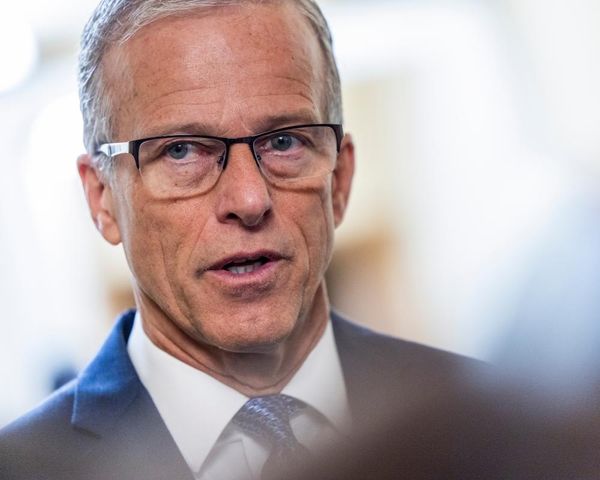
People who wear glasses are up to three times less likely to catch coronavirus, according to a new study.
Scientists claim that the protection offered by spectacles was 'statistically significant' in the fight against Covid.
In the study, published in India, researchers also claimed that poor and uneducated people were more likely to catch the disease.
The study said this was because 'they do not follow the preventive guidelines properly' and 'have [a] habit of using spectacles less than the educated persons.'
Outlining the findings Amit Kumar Saxena said: "This present study showed that the risk of Covid was two to three times less in spectacles wearing population than the population not using spectacles.

"Protective role of the spectacles was found statistically significant, if those were used for long period of the day.
"Touching and rubbing of the eyes with contaminated hands may be a significant route of infection."
Researchers said that people touch their own face on average 23 times in an hour and the eyes on average three times per hour.
The report read: “Transmission occurs by touching the face, nose, mouth and eyes.
“Touching one’s nose and mouth is significantly reduced when wearing a face mask properly. But wearing a face mask does not protect the eyes."
The study involved 304 Covid patients whose glasses wearing behaviour was assessed through a questionnaire, and compared with existing studies of the general population.
Report authors said that in all 58 patients wore glasses continuously during the day and during outdoor activities.
It was also said that because of the risk of infection health care workers should use face shields and goggles to protect their eyes.
Wearing glasses does not protect the eyes as much as goggles, scientists said, but could provide 'some degree of protection.'