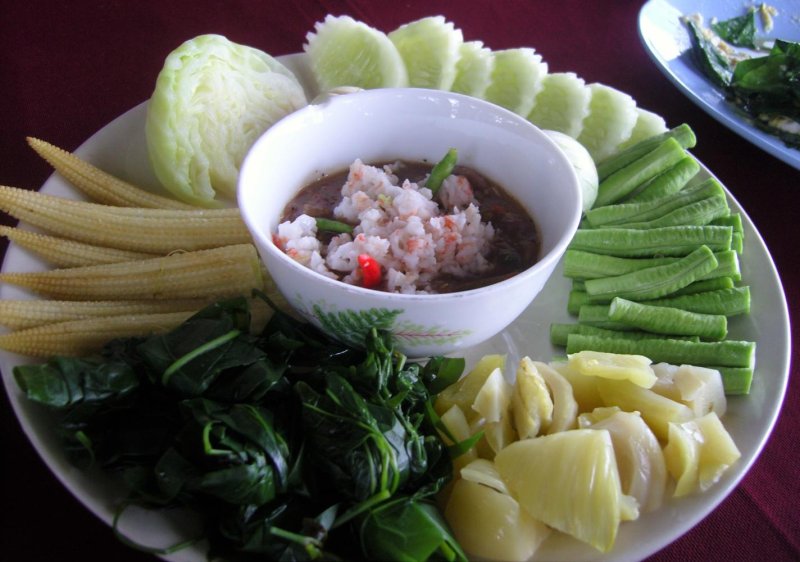
Thai cuisine is one of Thailand's most widely recognised forms of cultural capital. It is not merely a source of national pride or a globally admired culinary tradition. It is also a strategic asset capable of elevating Thailand's role on the world stage.
For more than four decades, I have advocated a vision of Thailand becoming the "Food Capital of the World". But Thailand should aspire to be more. It should seek to become a nation that helps shape global food standards.
The rationale is clear. The world is facing increasingly complex food-related challenges, ranging from food safety concerns, chemical contamination, climate change, emerging diseases and environmental degradation. According to the World Health Organization (WHO), more than 600 million people fall ill each year due to unsafe food, while hundreds of thousands die from food-borne diseases. These realities demonstrate that food in the twenty-first century can no longer be judged solely by quantity or taste.
If Thailand wishes to become a genuine global leader in food, it must move beyond complying with standards developed elsewhere and instead become a country capable of setting standards that gain international acceptance.
With this objective in mind, I have proposed the concept of a so-called "4G&G" framework.
The first pillar is Green & Germless Food, referring to food that is free from harmful toxins, chemical residues and contamination. Thailand should therefore strive to establish internationally recognised standards that guarantee food safety, particularly at a time when consumers around the world are placing unprecedented importance on what they eat.
The second pillar is Gratis & Geriatric Food, meaning food that promotes health and is suitable even for older populations. As societies age rapidly across the globe, food must serve a greater purpose than satisfying hunger. It should help prevent disease, reduce health risks and support long-term wellbeing. If a food product is suitable for the elderly, it is likely to benefit people of all ages. Thailand possesses abundant resources in traditional herbs, local ingredients and nutritional wisdom that can be developed into internationally recognised standards for health-promoting food.
The third pillar is Gourmet & Gastronomic Food. Food should not only be nutritious but should also deliver enjoyment and memorable experiences. Thailand's strengths lie in its rich diversity of ingredients, culinary craftsmanship and distinctive food culture. These assets provide a strong foundation for Thailand to become a global leader in gastronomy and food innovation.
The fourth pillar is Greed & Grab Food, which emphasises affordability, value and accessibility. High-quality food standards should not be reserved for affluent consumers. They should be attainable for all segments of society. The ultimate goal of a food system should not be limited to generating profit but should also include improving the quality of life for the broader population.
Achieving the 4G&G vision requires transformation across the entire food value chain.
At the upstream level, agriculture must reduce its dependence on harmful chemicals while improving the quality and safety of raw materials and protecting natural resources and ecosystems.
In the midstream sector, food processing industries must adopt advanced technologies and innovation to increase value, preserve nutritional quality, reduce waste and improve productivity.
Downstream sectors, including restaurants, supermarkets, logistics providers and distribution networks, must ensure that food remains fresh, safe and trustworthy until it reaches consumers.
Technology will play a crucial role in making these standards a reality. Food technology, artificial intelligence, blockchain and traceability systems can provide transparency throughout the supply chain, from production and sourcing to processing, transportation and retail distribution. Such systems will allow consumers to verify the origin, quality and safety of food while enhancing the global competitiveness of Thailand's food industry.
At the same time, the future of food must be aligned with the rapidly growing global wellness movement. People today seek not merely longer lives but healthier, more energetic and more fulfilling ones. In this respect, Thailand is uniquely positioned to develop a new generation of wellness-oriented foods by integrating nutrition science, Thai herbs, traditional medicine, local ingredients and modern health research. If pursued systematically, Thai food can evolve beyond being simply delicious and distinctive. It can become a model for healthy, sustainable and life-enhancing food systems.
I have previously proposed that Thailand has the potential to become the world's sixth Blue Zone, the first Deep Blue Zone and a Golden Zone of wellness for humanity. Food is one of the most important pillars of this vision because it sits at the intersection of health, culture, economics and lifestyle. If Thailand can successfully integrate its culinary heritage, traditional medicine, herbal resources and way of life into a coherent national strategy, it can move beyond being a major tourism destination or food exporter and become a global model for wellbeing.
If Thailand can develop food systems that are safe, innovative, transparent, and genuinely connected to human well-being, Thai food can evolve from a popular product into a trusted global standard.
The day the world places its trust in food standards developed by Thailand will be the day Thailand moves beyond being merely the "Kitchen of the World". It will become a nation that helps define global food standards, using food as a force to drive economic growth, improve public health and enhance the quality of life for people around the world.
This is more than a food policy concept. It is a strategic vision to transform Thai food into a source of national pride, a powerful economic engine and a new benchmark recognised internationally. It is my 4G&G framework, my proposal for a new global food standard, one that Thailand can pioneer and the world may one day follow.
Dr Kriengsak Chareonwongsak, PhD, is a Senior Fellow at Harvard University. He is also Chairman of the Nation-Building Institute (NBI), as well as the Institute of Future Studies for Development (IFD).