In response to a global surge in anti-Semitism, Jewish communities across America are having to heavily invest in security measures, a cost which is now being referred to as the 'anti-Semitism tax'. Congregations like the Gehilot Jeshurin in Upper East Side, Manhattan, are grappling with the anxiety induced by a climate of heightened hate and intolerance worldwide.
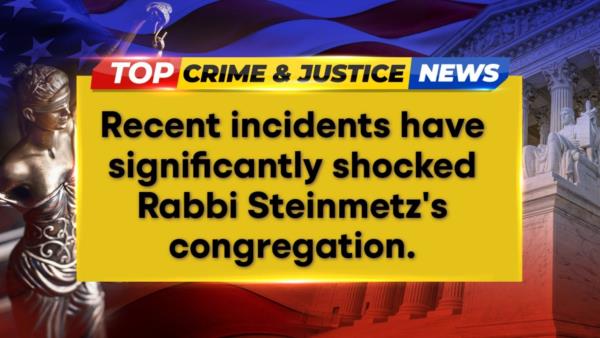
Rabbi Chaim Steinmetz reports that his congregants remain shocked and deeply concerned. The rising tension has necessitated augmenting security measures; the synagogue now sports doubled-doors, manned by security guards for constant vigilance. Coming at a high price, the cost of security is a substantial fraction of their budget.
Despite the stark reality of churches flanking the synagogue radiating welcoming sentiments with open doors, the Jewish institution must adopt a fortress-like presence to protect its members, an extra cost undoubtedly instigated by anti-Semitic incidents. This stark contrast embodies the 'anti-Semitism tax'; the sum synagogues must pay for safeguarding its congregants from acts of targeted hate.
Even during what is arguably the darkest time for this faith globally, the Jewish Community managed to find 'points of light'. Rabbi Steinmetz notes that Hanukkah, a celebration of light and unity, offered a balm during this fraught period.
However, the Rabbi also found solace in their non-Jewish allies, recounting a recent inter-faith conference in Salt Lake City, where he encountered support and solidarity from unexpected quarters. He received well wishes from a non-participant attendee who declared he prays for the congregation and Israel daily. The Rabbi believed these allies to be rays of hope amidst the shadows of hate.
Despite the rhetoric of unity and hope, the numbers reveal a chilling reality. Between October 7th and December 7th alone, there was a reported spike of 337% in anti-Semitic incidents, totaling 2,031 in just two months.