A YouTuber who was arrested for allegedly using abusive language against Nepal's newly elected prime minister has been released following protests by Gen Z activists.
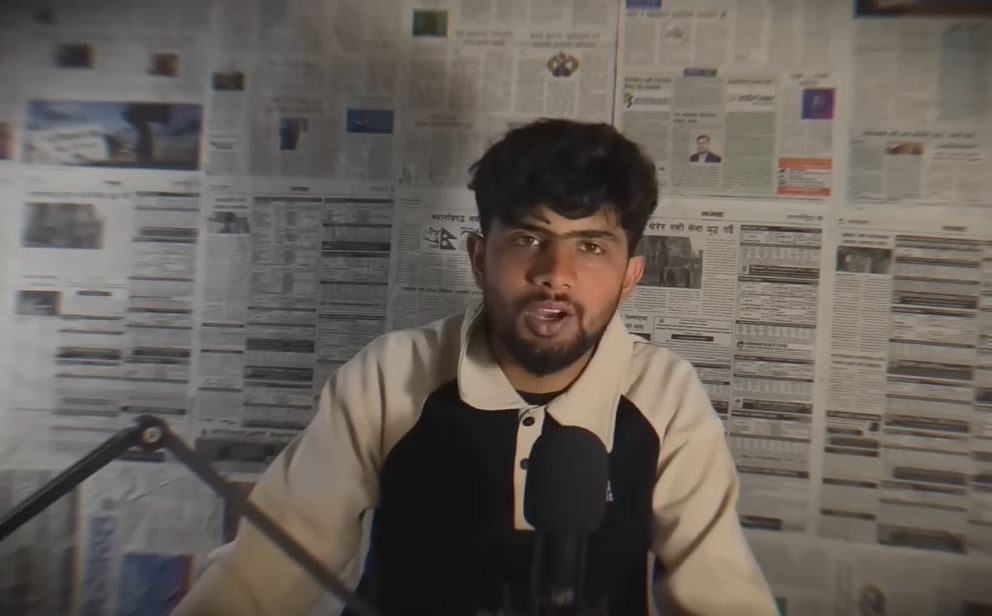
Roshan Pokharel was arrested on 9 April on charges of publishing abusive and defamatory content on his YouTube channel “Hades” which targeted prime minister Balendra Shah and other political leaders.
He was arrested by police in Panchthar following a Cyber Bureau investigation and sent in custody for 10 days by a local court.
Mr Pokharel's arrest triggered severe backlash against the prime minister over his new government's bid to suppress free speech under the guise of legal action.
Tanuja Pandey, a prominent Gen Z activist who was part of the street agitation that ousted the KP Sharma Oli government last year, was among several public figures who criticised the arrest of Mr Pokharel.
Bijay Shah, a spokesperson of the Gen Z movement, said that arresting an individual solely on the basis of expression was objectionable.
“Protect freedom of expression; do not move towards authoritarianism,” he said in a statement.
Mr Shah argued that the prime minister, a celebrated rapper, should appreciate the value of free speech, adding that past controversial remarks attributed to him must also face scrutiny if equal standards were to apply.
“If equal standards are adopted, there should be fair and impartial investigation against everyone,” he said, questioning why similar actions were not taken in other instances.
Following the outcry, Mr Pokharel was released on Sunday and handed over to the custody of his grandmother.
“Roshan was sent to the custody of a relative, with the condition that he come when the police want him," district police superintendent Anish Karki told Lokantar.
According to local reports, authorities claimed the decision to release him was made after his health condition worsened during detention.
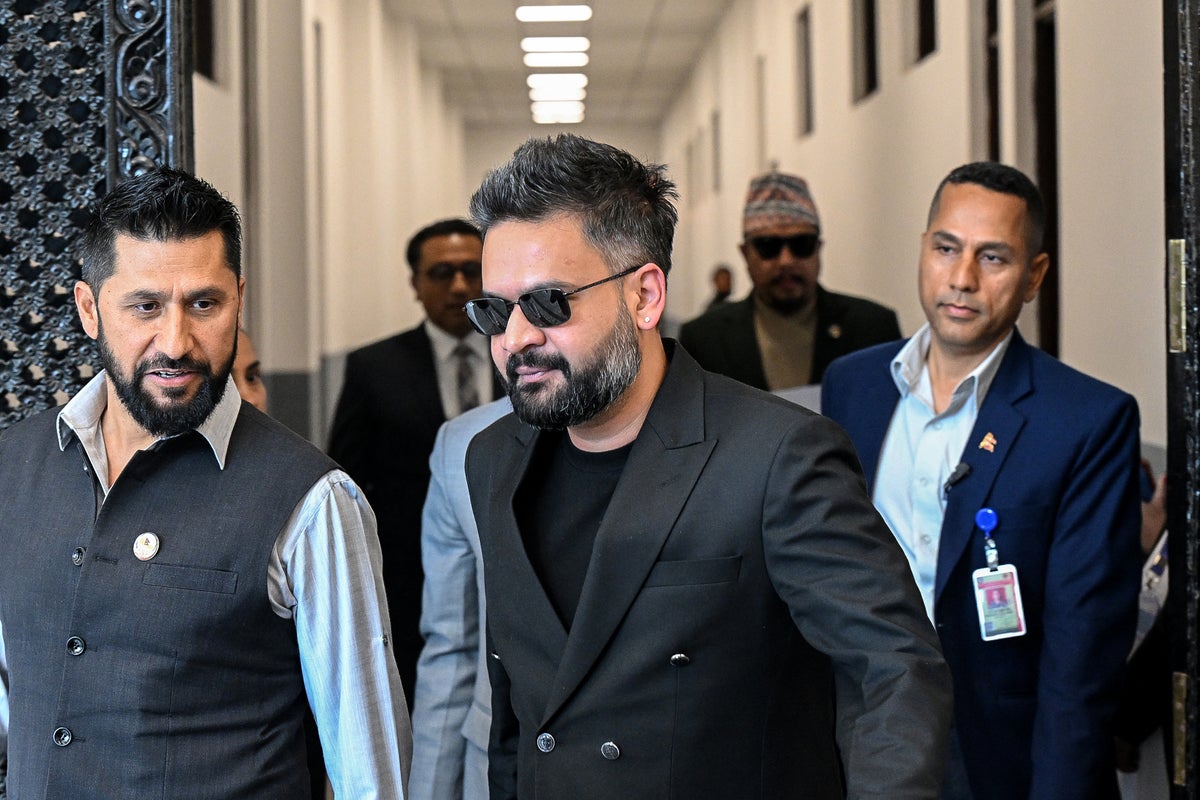
Balendra Shah, the 35-year-old former Kathmandu mayor, was elected prime minister about six months after street protests felled the previous government, which had allegedly sought to muzzle traditional newspapers and broadcasters and, at times, extended the clampdown to online news and social media platforms.
Everest guides accused of poisoning foreign climbers to force fake rescues
Nepal to issue historic apology to its Dalits. Will other Asian nations follow?
How Pakistan is preparing to host US-Iran peace talks
Ex-policemen get death penalty over student’s killing during Bangladesh protests
Pakistan seeks end to own war while mediating peace talks between US and Iran
How Pakistan deployed ‘flattery as foreign policy’ to broker US-Iran ceasefire